AI Agent for Mining: Automate Exploration, Operations & Safety
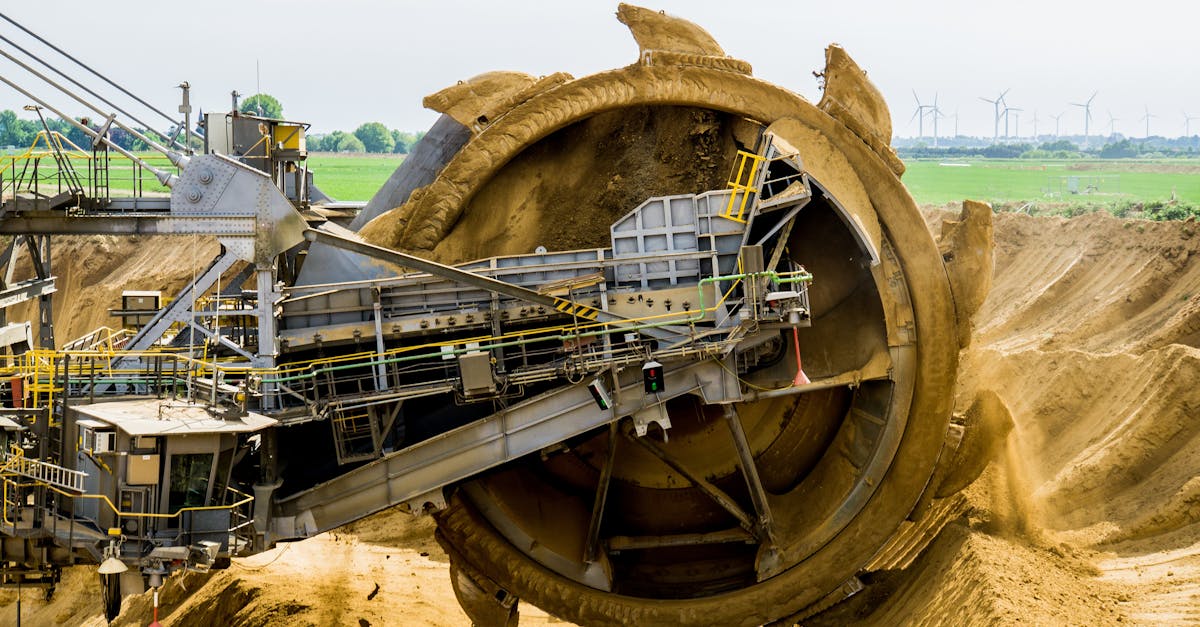
Photo by Pixabay on Pexels
Mining operations generate 2.4 TB of sensor data per site per day from haul trucks, crushers, conveyors, and drill rigs. Unplanned downtime costs $180,000–$300,000 per hour for a large open-pit mine. Geological exploration wastes 70% of drilling budgets on non-economic targets. AI agents that analyze geophysical data, optimize blast patterns, predict equipment failures, and monitor safety in real time are transforming the $1.8 trillion mining industry.
This guide covers building autonomous AI agents for the full mining value chain: from target identification to ore processing. Production-ready Python code, integration patterns with mining-specific systems (Fleet Management, SCADA, geological modeling), and ROI numbers from real deployments.
Table of Contents
1. Geological Exploration Agent
Exploration drilling costs $150–$500 per meter. A typical greenfield program drills 50,000–200,000 meters before identifying an economic deposit. The AI agent integrates geophysical surveys (magnetics, gravity, EM), geochemical assays, satellite imagery, and historical drilling data to prioritize targets and reduce wasted meters by 30–50%.
import numpy as np

class GeologicalExplorationAgent:
    """Prioritizes exploration targets using multi-source geological data."""

    def __init__(self, geo_database, geophysics_api, satellite_api, llm):
        self.geo_db = geo_database
        self.geophysics = geophysics_api
        self.satellite = satellite_api
        self.llm = llm

    def score_target(self, target_area):
        """Score an exploration target from 0-100 for drill priority."""
        scores = {}

        # Geophysical anomalies
        mag_data = self.geophysics.get_magnetics(target_area["bounds"])
        grav_data = self.geophysics.get_gravity(target_area["bounds"])
        em_data = self.geophysics.get_em_survey(target_area["bounds"])

        scores["magnetics"] = self._score_magnetic_anomaly(mag_data)
        scores["gravity"] = self._score_gravity_anomaly(grav_data)
        scores["em_conductivity"] = self._score_em_response(em_data)

        # Geochemical soil/stream samples
        geochem = self.geo_db.get_surface_geochem(target_area["bounds"])
        scores["geochem"] = self._score_pathfinder_elements(
            geochem, target_area["commodity"]
        )

        # Satellite spectral analysis (alteration minerals)
        spectral = self.satellite.get_aster_analysis(target_area["bounds"])
        scores["alteration"] = self._score_alteration_minerals(
            spectral, target_area["deposit_model"]
        )

        # Structural geology (faults, folds, intersections)
        structures = self.geo_db.get_structures(target_area["bounds"])
        scores["structural"] = self._score_structural_setting(
            structures, target_area["deposit_model"]
        )

        # Proximity to known deposits
        known = self.geo_db.get_known_deposits(
            target_area["bounds"], buffer_km=50
        )
        scores["proximity"] = min(30, len(known) * 8)

        # Weighted composite
        weights = {
            "magnetics": 0.15, "gravity": 0.10, "em_conductivity": 0.15,
            "geochem": 0.20, "alteration": 0.15, "structural": 0.15,
            "proximity": 0.10,
        }
        composite = sum(
            scores[k] * weights[k] for k in weights
        )

        return {
            "target_id": target_area["id"],
            "composite_score": round(composite, 1),
            "component_scores": scores,
            "recommendation": (
                "high_priority" if composite > 70
                else "medium_priority" if composite > 45
                else "low_priority"
            ),
            "suggested_drill_meters": self._estimate_drill_program(
                composite, target_area["depth_estimate_m"]
            ),
        }

    def _score_magnetic_anomaly(self, mag_data):
        """Score magnetic data for mineralization signatures."""
        if not mag_data:
            return 0
        # Look for high-frequency anomalies (near-surface mineralization)
        residual = mag_data["residual_field"]
        amplitude = np.max(residual) - np.min(residual)
        # Strong anomaly > 500 nT for iron-associated deposits
        return min(100, (amplitude / 500) * 80)

    def _score_pathfinder_elements(self, geochem, commodity):
        """Score geochemical samples for pathfinder element anomalies."""
        pathfinders = {
            "gold": ["Au", "As", "Sb", "Hg", "Cu"],
            "copper": ["Cu", "Mo", "Au", "Ag", "Re"],
            "nickel": ["Ni", "Cu", "Co", "Cr", "PGE"],
            "lithium": ["Li", "Cs", "Rb", "Sn", "Ta"],
            "iron_ore": ["Fe", "Al", "Si", "P", "Mn"],
        }
        elements = pathfinders.get(commodity, [commodity])
        anomaly_count = 0

        for sample in geochem:
            for element in elements:
                if sample.get(element, 0) > sample.get(f"{element}_background", 0) * 3:
                    anomaly_count += 1

        total_possible = len(geochem) * len(elements)
        if total_possible == 0:
            return 0
        return min(100, (anomaly_count / total_possible) * 200)

    def generate_drill_plan(self, target, budget_meters):
        """Design optimal drill hole locations for a target."""
        score = self.score_target(target)
        anomaly_centers = self.geophysics.get_anomaly_centers(target["bounds"])

        holes = []
        remaining = budget_meters
        depth_per_hole = target.get("avg_depth_m", 200)

        # First hole: center of strongest anomaly
        if anomaly_centers:
            primary = anomaly_centers[0]
            holes.append({
                "hole_id": f"{target['id']}-001",
                "easting": primary["x"],
                "northing": primary["y"],
                "azimuth": primary.get("optimal_azimuth", 0),
                "dip": -60,
                "planned_depth_m": depth_per_hole,
                "priority": "primary",
                "rationale": f"Strongest {primary['anomaly_type']} anomaly center",
            })
            remaining -= depth_per_hole

        # Step-out holes on a grid pattern
        spacing_m = 100 if score["composite_score"] > 60 else 200
        grid_holes = self._generate_grid_stepouts(
            center=anomaly_centers[0] if anomaly_centers else target["centroid"],
            spacing=spacing_m,
            max_holes=int(remaining / depth_per_hole),
        )
        holes.extend(grid_holes)

        return {
            "target_id": target["id"],
            "total_holes": len(holes),
            "total_meters": len(holes) * depth_per_hole,
            "holes": holes,
            "estimated_cost": len(holes) * depth_per_hole * 250,  # $250/m avg
}2. Drill & Blast Optimization Agent
Drill and blast accounts for 15–25% of total mining cost. Poor blast design causes over-fragmentation (crusher overload), under-fragmentation (secondary breaking costs), excessive fly-rock, and ground vibration complaints. The agent optimizes blast patterns based on rock mass characteristics, measured in real time from drill monitoring data.
class DrillBlastAgent:
    """Optimizes blast design from drill performance data."""

    def __init__(self, drill_monitor, blast_db, vibration_sensors, llm):
        self.drill = drill_monitor    # MWD (Measure While Drilling)
        self.blast_db = blast_db
        self.vibration = vibration_sensors
        self.llm = llm

    def design_blast(self, bench_id, drill_data):
        """Generate optimized blast pattern from MWD data."""
        # Classify rock domains from drill parameters
        rock_domains = self._classify_rock_from_mwd(drill_data)

        # Variable charge design per domain
        holes = []
        for hole in drill_data["holes"]:
            domain = rock_domains[hole["hole_id"]]

            # Adjust powder factor based on rock hardness
            base_pf = 0.8  # kg/t baseline
            if domain["ucs_estimate"] > 150:  # Very hard rock (MPa)
                pf = base_pf * 1.3
            elif domain["ucs_estimate"] > 100:
                pf = base_pf * 1.1
            elif domain["ucs_estimate"] < 50:  # Soft
                pf = base_pf * 0.75
            else:
                pf = base_pf

            # Calculate charge per hole
            burden = hole["spacing"] * 0.85  # burden/spacing ratio
            volume = burden * hole["spacing"] * hole["bench_height"]
            tonnage = volume * domain["density"]
            charge_kg = tonnage * pf

            # Stemming length (minimum 0.7x burden)
            stemming_m = max(burden * 0.7, 2.0)
            charge_length = hole["depth"] - stemming_m

            holes.append({
                "hole_id": hole["hole_id"],
                "charge_kg": round(charge_kg, 1),
                "charge_length_m": round(charge_length, 1),
                "stemming_m": round(stemming_m, 1),
                "powder_factor": round(pf, 3),
                "rock_domain": domain["class"],
                "expected_p80_mm": self._predict_fragmentation(pf, domain),
            })

        # Timing design (electronic dets)
        timing = self._optimize_timing(holes, rock_domains)

        return {
            "bench_id": bench_id,
            "holes": holes,
            "timing": timing,
            "total_explosive_kg": sum(h["charge_kg"] for h in holes),
            "avg_powder_factor": round(
                np.mean([h["powder_factor"] for h in holes]), 3
            ),
            "predicted_fragmentation_p80": round(
                np.mean([h["expected_p80_mm"] for h in holes]), 0
            ),
        }

    def _classify_rock_from_mwd(self, drill_data):
        """Estimate rock properties from Measure While Drilling data."""
        domains = {}
        for hole in drill_data["holes"]:
            # Features: penetration rate, rotation pressure, feed pressure
            pen_rate = hole["penetration_rate_m_min"]
            rot_pressure = hole["rotation_pressure_bar"]
            feed_pressure = hole["feed_pressure_bar"]

            # Specific energy of drilling (SED) correlates with UCS
            sed = (rot_pressure * feed_pressure) / (pen_rate + 0.001)

            if sed > 800:
                rock_class = "very_hard"
                ucs = 180
                density = 2.85
            elif sed > 500:
                rock_class = "hard"
                ucs = 130
                density = 2.75
            elif sed > 250:
                rock_class = "medium"
                ucs = 80
                density = 2.65
            else:
                rock_class = "soft"
                ucs = 40
                density = 2.45

            domains[hole["hole_id"]] = {
                "class": rock_class,
                "ucs_estimate": ucs,
                "density": density,
                "sed": round(sed, 1),
            }

        return domains
3. Fleet Management Agent
A fleet of 30 haul trucks costs $50–80M per year to operate. Fuel alone is 30–40% of that. The agent optimizes truck dispatch, speed profiles, and maintenance scheduling to maximize throughput while minimizing fuel burn and tire wear.
class FleetManagementAgent:
    """Optimizes haul truck dispatch and routing."""

    def __init__(self, fleet_tracker, dispatch_system, fuel_monitor, llm):
        self.fleet = fleet_tracker
        self.dispatch = dispatch_system
        self.fuel = fuel_monitor
        self.llm = llm

    def optimize_dispatch(self, active_trucks, loading_units, dump_points):
        """Assign trucks to shovels/loaders to minimize queue time."""
        assignments = []

        for truck in active_trucks:
            best_assignment = None
            best_score = float("inf")

            for loader in loading_units:
                if loader["status"] != "active":
                    continue

                # Estimate cycle time
                travel_loaded = self._estimate_travel_time(
                    loader["location"], truck["assigned_dump"], loaded=True
                )
                travel_empty = self._estimate_travel_time(
                    truck["current_location"], loader["location"], loaded=False
                )
                queue_time = self._estimate_queue(loader["id"], active_trucks)
                load_time = loader["avg_load_time_min"]

                cycle = travel_empty + queue_time + load_time + travel_loaded
                # Cost = cycle time + fuel penalty for steep grades
                grade_penalty = self._grade_fuel_penalty(
                    loader["location"], truck["assigned_dump"]
                )
                score = cycle + grade_penalty

                if score < best_score:
                    best_score = score
                    best_assignment = {
                        "truck_id": truck["id"],
                        "loader_id": loader["id"],
                        "dump_point": truck["assigned_dump"],
                        "estimated_cycle_min": round(cycle, 1),
                        "travel_empty_min": round(travel_empty, 1),
                        "queue_min": round(queue_time, 1),
                        "travel_loaded_min": round(travel_loaded, 1),
                    }

            if best_assignment:
                assignments.append(best_assignment)

        # Calculate fleet KPIs
        total_cycles_hr = sum(
            60 / a["estimated_cycle_min"] for a in assignments
        )
        avg_payload_t = 220  # typical for CAT 793

        return {
            "assignments": assignments,
            "fleet_utilization_pct": round(
                len(assignments) / len(active_trucks) * 100, 1
            ),
            "estimated_throughput_tph": round(total_cycles_hr * avg_payload_t),
            "avg_cycle_min": round(
                np.mean([a["estimated_cycle_min"] for a in assignments]), 1
            ),
            "avg_queue_min": round(
                np.mean([a["queue_min"] for a in assignments]), 1
            ),
        }

    def predict_tire_life(self, truck_id):
        """Predict remaining tire life from operating conditions."""
        tire_data = self.fleet.get_tire_telemetry(truck_id)
        operating_history = self.fleet.get_route_history(truck_id, days=30)

        # TKPH (Tonne-Kilometer Per Hour) analysis
        avg_tkph = self._calculate_tkph(operating_history)
        tire_tkph_rating = tire_data["rated_tkph"]
        tkph_ratio = avg_tkph / tire_tkph_rating

        # Predict remaining hours based on wear rate
        current_tread_mm = tire_data["tread_depth_mm"]
        original_tread_mm = tire_data["original_tread_mm"]
        hours_run = tire_data["hours_in_service"]
        wear_rate = (original_tread_mm - current_tread_mm) / max(hours_run, 1)

        min_tread_mm = 15  # Minimum safe tread depth
        remaining_mm = current_tread_mm - min_tread_mm
        remaining_hours = remaining_mm / wear_rate if wear_rate > 0 else 9999

        return {
            "truck_id": truck_id,
            "position": tire_data["position"],
            "tread_remaining_mm": round(remaining_mm, 1),
            "estimated_hours_remaining": round(remaining_hours),
            "tkph_ratio": round(tkph_ratio, 2),
            "risk_level": (
                "critical" if remaining_hours < 200 or tkph_ratio > 1.1
                else "warning" if remaining_hours < 500
                else "normal"
            ),
            "cost_per_tire": 65000,  # Large OTR tire
}4. Ore Grade Control Agent
Sending 1% of waste to the mill costs $500K–$2M per year in wasted processing. Misclassifying 1% of ore as waste is even worse — that's lost revenue. The grade control agent combines blast hole assays, in-pit sensors (XRF, PGNAA), and geological models to classify every dig block in real time.
class OreGradeControlAgent:
    """Real-time ore/waste classification and grade estimation."""

    def __init__(self, assay_db, block_model, sensor_feed, dispatch):
        self.assays = assay_db
        self.model = block_model       # 3D geological block model
        self.sensors = sensor_feed     # In-pit grade sensors
        self.dispatch = dispatch

    def classify_dig_block(self, block_id, blast_hole_assays):
        """Classify a dig block as ore/waste with grade estimate."""
        # Block model prediction
        model_grade = self.model.get_block_grade(block_id)
        model_confidence = self.model.get_kriging_variance(block_id)

        # Blast hole assay data (ground truth, sparse)
        if blast_hole_assays:
            assay_grades = [a["grade"] for a in blast_hole_assays]
            assay_mean = np.mean(assay_grades)
            assay_std = np.std(assay_grades)
        else:
            assay_mean = model_grade
            assay_std = model_confidence ** 0.5

        # Sensor data (if available — in-situ XRF or conveyor PGNAA)
        sensor_reading = self.sensors.get_latest(block_id)
        if sensor_reading:
            # Blend model + assay + sensor with inverse-variance weighting
            weights = [
                1 / (model_confidence + 0.001),
                1 / (assay_std ** 2 + 0.001) if blast_hole_assays else 0,
                1 / (sensor_reading["uncertainty"] ** 2 + 0.001),
            ]
            values = [model_grade, assay_mean, sensor_reading["grade"]]
        else:
            weights = [
                1 / (model_confidence + 0.001),
                1 / (assay_std ** 2 + 0.001) if blast_hole_assays else 0,
            ]
            values = [model_grade, assay_mean]

        total_weight = sum(weights)
        best_estimate = sum(v * w for v, w in zip(values, weights)) / total_weight
        combined_variance = 1 / total_weight

        # Economic cutoff
        cutoff = self.model.get_cutoff_grade()

        # Probabilistic classification
        from scipy import stats
        prob_above_cutoff = 1 - stats.norm.cdf(
            cutoff, loc=best_estimate, scale=combined_variance ** 0.5
        )

        if prob_above_cutoff > 0.7:
            destination = "mill"
        elif prob_above_cutoff > 0.4:
            destination = "stockpile_marginal"
        else:
            destination = "waste_dump"

        return {
            "block_id": block_id,
            "estimated_grade": round(best_estimate, 3),
            "uncertainty": round(combined_variance ** 0.5, 3),
            "prob_above_cutoff": round(prob_above_cutoff, 3),
            "destination": destination,
            "cutoff_grade": cutoff,
            "data_sources": len([w for w in weights if w > 0]),
        }
5. Safety Monitoring Agent
Mining fatalities have declined 80% since 1990 but remain 5x the national workplace average. The agent monitors proximity detection, fatigue sensors, atmospheric conditions (for underground), and geotechnical stability to prevent incidents before they happen.
class MineSafetyAgent:
    """Real-time safety monitoring and incident prevention."""

    ALERT_THRESHOLDS = {
        "proximity_m": 15,           # Vehicle-vehicle minimum distance
        "pedestrian_proximity_m": 30, # Vehicle-pedestrian
        "fatigue_score": 0.7,        # 0-1 scale from eye tracking
        "slope_stability_fos": 1.3,  # Factor of safety minimum
        "dust_pm10_ugm3": 3000,      # Respirable dust limit
        "noise_dba": 85,             # 8-hour TWA limit
        "ground_vibration_mmps": 50,  # PPV limit (structures)
        "o2_pct_underground": 19.5,  # Minimum oxygen
        "co_ppm_underground": 30,    # Carbon monoxide limit
        "methane_pct_underground": 1.0, # LEL is 5%, alarm at 1%
    }

    def __init__(self, sensor_network, proximity_system, geotech_monitor, alert_system):
        self.sensors = sensor_network
        self.proximity = proximity_system
        self.geotech = geotech_monitor
        self.alerts = alert_system

    def continuous_scan(self):
        """Run a full safety scan across all monitored parameters."""
        incidents = []

        # Proximity detection
        for event in self.proximity.get_active_events():
            if event["distance_m"] < self.ALERT_THRESHOLDS["proximity_m"]:
                severity = "critical" if event["distance_m"] < 8 else "warning"
                incidents.append({
                    "type": "proximity_breach",
                    "severity": severity,
                    "details": {
                        "vehicle_1": event["vehicle_1"],
                        "vehicle_2": event["vehicle_2"],
                        "distance_m": event["distance_m"],
                        "closing_speed_kmh": event["relative_speed"],
                    },
                    "action": "auto_brake" if severity == "critical" else "audio_alert",
                })

        # Fatigue monitoring
        for operator in self.sensors.get_fatigue_readings():
            if operator["fatigue_score"] > self.ALERT_THRESHOLDS["fatigue_score"]:
                incidents.append({
                    "type": "operator_fatigue",
                    "severity": "high",
                    "details": {
                        "operator_id": operator["id"],
                        "equipment_id": operator["equipment"],
                        "fatigue_score": operator["fatigue_score"],
                        "hours_on_shift": operator["shift_hours"],
                    },
                    "action": "mandatory_break",
                })

        # Slope stability (open pit)
        for wall in self.geotech.get_monitored_walls():
            prisms = self.geotech.get_prism_movements(wall["id"])
            velocity_mm_day = max(p["velocity_mm_day"] for p in prisms)

            if velocity_mm_day > 5:  # Accelerating movement
                trend = self._analyze_movement_trend(prisms)
                severity = "critical" if trend == "accelerating" else "warning"
                incidents.append({
                    "type": "slope_movement",
                    "severity": severity,
                    "details": {
                        "wall_id": wall["id"],
                        "max_velocity_mm_day": round(velocity_mm_day, 2),
                        "trend": trend,
                        "affected_area_m2": wall["face_area_m2"],
                    },
                    "action": "evacuate_zone" if severity == "critical"
                             else "restrict_access",
                })

        return {
            "scan_timestamp": datetime.utcnow().isoformat(),
            "total_incidents": len(incidents),
            "critical": len([i for i in incidents if i["severity"] == "critical"]),
            "incidents": incidents,
        }
6. Environmental Compliance Agent
Mining companies face $50K–$500K per violation in environmental fines. The agent monitors dust, water quality, noise, and rehabilitation progress against permit conditions, flagging exceedances before they trigger regulatory action.
class EnvironmentalComplianceAgent:
    """Monitors environmental permit conditions in real time."""

    def __init__(self, env_sensors, permit_db, weather_api, report_engine):
        self.sensors = env_sensors
        self.permits = permit_db
        self.weather = weather_api
        self.reports = report_engine

    def check_compliance(self, site_id):
        """Check all permit conditions for a site."""
        conditions = self.permits.get_conditions(site_id)
        results = []

        for condition in conditions:
            if condition["type"] == "dust":
                reading = self.sensors.get_dust_monitor(condition["monitor_id"])
                compliant = reading["pm10_24hr_avg"] < condition["limit_ugm3"]
                margin_pct = round(
                    (1 - reading["pm10_24hr_avg"] / condition["limit_ugm3"]) * 100, 1
                )
                results.append({
                    "condition_id": condition["id"],
                    "type": "dust",
                    "current_value": reading["pm10_24hr_avg"],
                    "limit": condition["limit_ugm3"],
                    "unit": "ug/m3",
                    "compliant": compliant,
                    "margin_pct": margin_pct,
                })

            elif condition["type"] == "water_quality":
                sample = self.sensors.get_water_quality(condition["sample_point"])
                for param, limit in condition["limits"].items():
                    value = sample.get(param, 0)
                    compliant = value < limit
                    results.append({
                        "condition_id": condition["id"],
                        "type": f"water_{param}",
                        "current_value": value,
                        "limit": limit,
                        "unit": condition["units"].get(param, "mg/L"),
                        "compliant": compliant,
                        "margin_pct": round((1 - value / limit) * 100, 1),
                    })

            elif condition["type"] == "noise":
                reading = self.sensors.get_noise_monitor(condition["monitor_id"])
                compliant = reading["leq_15min"] < condition["limit_dba"]
                results.append({
                    "condition_id": condition["id"],
                    "type": "noise",
                    "current_value": reading["leq_15min"],
                    "limit": condition["limit_dba"],
                    "unit": "dB(A)",
                    "compliant": compliant,
                    "margin_pct": round(
                        (1 - reading["leq_15min"] / condition["limit_dba"]) * 100, 1
                    ),
                })

        non_compliant = [r for r in results if not r["compliant"]]
        near_limit = [r for r in results if r["compliant"] and r["margin_pct"] < 15]

        return {
            "site_id": site_id,
            "total_conditions": len(results),
            "compliant": len(results) - len(non_compliant),
            "non_compliant": non_compliant,
            "near_limit_warning": near_limit,
        }
7. ROI Analysis
Financial case for AI agents in mining, based on a mid-size open-pit operation (30Mt/year, 30 haul trucks):
| Agent | Annual Savings | Implementation | Payback |
|---|---|---|---|
| Geological Exploration | $8–20M (reduced drilling waste) | $2–4M | 3–6 months |
| Drill & Blast | $5–12M (explosive + fragmentation) | $1–2M | 2–4 months |
| Fleet Management | $10–25M (fuel + throughput) | $3–5M | 3–5 months |
| Ore Grade Control | $15–35M (ore loss + dilution) | $2–4M | 1–3 months |
| Safety Monitoring | $3–8M (incident prevention) | $2–3M | 4–8 months |
| Environmental | $2–5M (fine avoidance) | $500K–1M | 3–6 months |
Total portfolio: $43–105M in annual savings against $10.5–19M in implementation costs. The fastest ROI comes from ore grade control — even a 0.5% improvement in ore recovery at 30Mt/year translates to massive revenue gains.
Build Your Own AI Agent
Get the complete blueprint for building autonomous AI agents — includes templates, security checklists, and deployment guides.
Get The AI Agent Playbook — $19Not ready to buy? Start with Chapter 1 — free
Get the first chapter of The AI Agent Playbook delivered to your inbox. Learn what AI agents really are and see real production examples.
Get Free Chapter →