AI Agent for Fitness & Wellness: Automate Training Programs, Client Management & Health Analytics
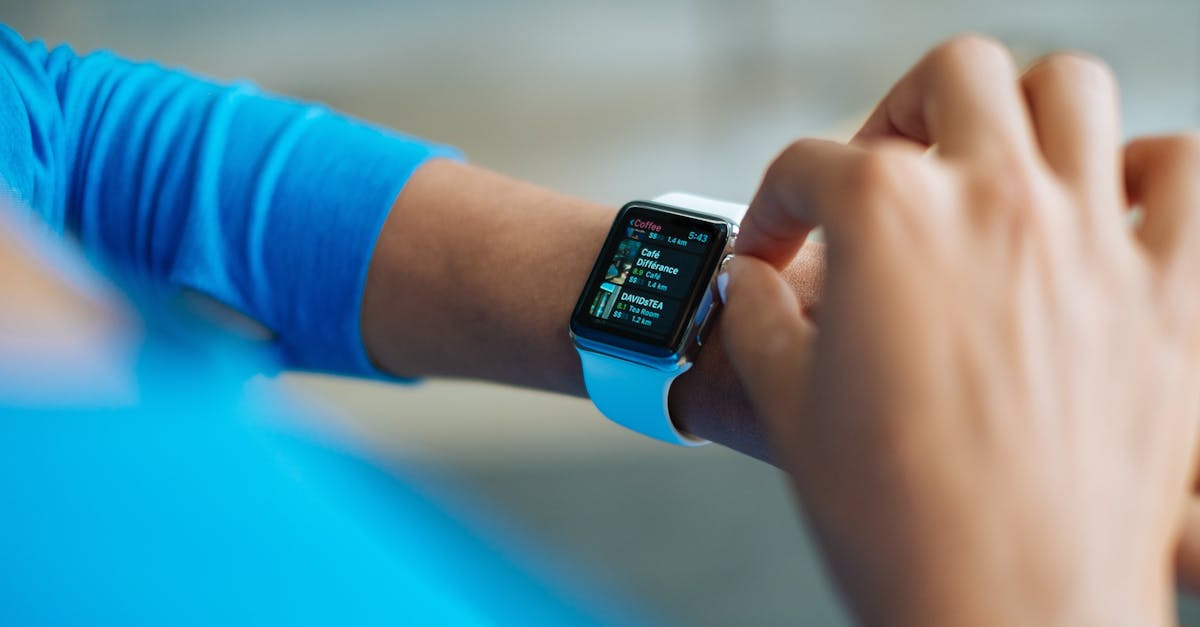
Photo by Pixabay on Pexels
The global fitness industry generates over $96 billion annually, yet most personal trainers still build programs in spreadsheets, track client progress on paper, and lose 40-60% of their clients within the first six months. Gym operators rely on gut instinct for class scheduling, equipment purchases, and pricing decisions. These inefficiencies bleed revenue and limit the number of clients a single trainer can effectively manage.
AI agents for fitness and wellness go far beyond simple workout generators. They model progressive overload using established strength science, calculate macronutrient targets from metabolic equations, predict client churn before it happens, and interpret wearable biometric data to adjust training loads in real time. A single AI agent can manage the programming complexity of 200+ clients while maintaining the personalization quality of one-on-one coaching.
This guide covers six core areas where AI agents transform fitness operations, with production-ready Python code for each. Whether you run a solo personal training business or a chain of 10 gyms, these patterns scale to your operation.
Table of Contents
1. Personalized Training Programming
Effective training programming requires balancing volume, intensity, and recovery across multiple muscle groups while accounting for individual recovery capacity, equipment availability, and training history. Most trainers default to cookie-cutter templates because the combinatorial complexity of true personalization is overwhelming. An AI agent can evaluate thousands of exercise combinations, apply periodization models (linear, undulating, or block), and auto-regulate intensity based on performance trends.
Periodization and Progressive Overload
The agent implements three periodization strategies. Linear periodization increases load weekly by 2.5-5% for beginners who adapt predictably. Daily undulating periodization (DUP) rotates between hypertrophy (8-12 reps at 65-75% 1RM), strength (3-5 reps at 80-90%), and power (1-3 reps at 90%+) within the same week, which research shows produces superior strength gains in intermediate lifters. Block periodization dedicates 3-4 week mesocycles to a single quality, ideal for advanced athletes peaking for competition.
Progressive overload automation uses the Epley formula (1RM = weight x (1 + reps/30)) to estimate one-rep max from any set, then prescribes next-session loads based on target percentages. The agent also detects stalls by tracking estimated 1RM trends: if e1RM flatlines for 2+ weeks, it triggers a deload week (40-60% volume reduction) before resuming. Injury risk scoring analyzes movement pattern imbalances, flagging when push-to-pull ratios exceed 1.5:1 or when quad-dominant patterns lack posterior chain balance.
from dataclasses import dataclass, field
from typing import List, Dict, Optional, Tuple
from datetime import datetime, timedelta
from enum import Enum
import statistics

class PeriodizationType(Enum):
    LINEAR = "linear"
    UNDULATING = "undulating"
    BLOCK = "block"

class MuscleGroup(Enum):
    CHEST = "chest"
    BACK = "back"
    SHOULDERS = "shoulders"
    QUADS = "quads"
    HAMSTRINGS = "hamstrings"
    GLUTES = "glutes"
    BICEPS = "biceps"
    TRICEPS = "triceps"
    CORE = "core"

@dataclass
class ExerciseSet:
    exercise: str
    weight_kg: float
    reps: int
    rpe: float  # rate of perceived exertion 1-10
    timestamp: datetime

@dataclass
class ClientProfile:
    client_id: str
    name: str
    training_age_months: int
    available_days: int           # sessions per week
    equipment: List[str]          # ["barbell", "dumbbells", "cables", "machines"]
    injuries: List[str]           # ["left_shoulder_impingement", "lower_back"]
    goals: str                    # "hypertrophy", "strength", "fat_loss"
    bodyweight_kg: float

@dataclass
class TrainingSession:
    date: datetime
    exercises: List[ExerciseSet]
    session_rpe: float
    completed: bool

class TrainingProgramAgent:
    """AI agent for personalized training programming with auto-regulation."""

    EPLEY_CONSTANT = 30
    DELOAD_TRIGGER_WEEKS = 2       # stall detection window
    DELOAD_VOLUME_FACTOR = 0.5     # reduce volume by 50%
    PUSH_PULL_MAX_RATIO = 1.5
    LINEAR_INCREMENT_KG = 2.5

    EXERCISE_MUSCLE_MAP = {
        "bench_press": [MuscleGroup.CHEST, MuscleGroup.TRICEPS],
        "overhead_press": [MuscleGroup.SHOULDERS, MuscleGroup.TRICEPS],
        "barbell_row": [MuscleGroup.BACK, MuscleGroup.BICEPS],
        "squat": [MuscleGroup.QUADS, MuscleGroup.GLUTES, MuscleGroup.CORE],
        "deadlift": [MuscleGroup.HAMSTRINGS, MuscleGroup.GLUTES, MuscleGroup.BACK],
        "pull_up": [MuscleGroup.BACK, MuscleGroup.BICEPS],
        "romanian_deadlift": [MuscleGroup.HAMSTRINGS, MuscleGroup.GLUTES],
        "lateral_raise": [MuscleGroup.SHOULDERS],
        "leg_press": [MuscleGroup.QUADS, MuscleGroup.GLUTES],
        "cable_row": [MuscleGroup.BACK, MuscleGroup.BICEPS],
    }

    def __init__(self, client: ClientProfile, history: List[TrainingSession]):
        self.client = client
        self.history = history

    def estimate_1rm(self, weight: float, reps: int) -> float:
        """Epley formula: 1RM = weight * (1 + reps / 30)."""
        if reps == 1:
            return weight
        return round(weight * (1 + reps / self.EPLEY_CONSTANT), 1)

    def select_periodization(self) -> PeriodizationType:
        """Choose periodization model based on training age."""
        if self.client.training_age_months < 6:
            return PeriodizationType.LINEAR
        elif self.client.training_age_months < 24:
            return PeriodizationType.UNDULATING
        return PeriodizationType.BLOCK

    def detect_stall(self, exercise: str) -> bool:
        """Check if estimated 1RM has plateaued for DELOAD_TRIGGER_WEEKS."""
        recent_sets = self._get_exercise_history(exercise, weeks=4)
        if len(recent_sets) < 4:
            return False
        e1rms = [self.estimate_1rm(s.weight_kg, s.reps) for s in recent_sets]
        midpoint = len(e1rms) // 2
        first_half = statistics.mean(e1rms[:midpoint])
        second_half = statistics.mean(e1rms[midpoint:])
        improvement = (second_half - first_half) / first_half
        return improvement < 0.01  # less than 1% improvement

    def score_injury_risk(self) -> dict:
        """Analyze movement pattern balance for injury risk."""
        push_volume = 0
        pull_volume = 0
        quad_volume = 0
        posterior_volume = 0

        recent = self._get_recent_sessions(weeks=2)
        for session in recent:
            for s in session.exercises:
                muscles = self.EXERCISE_MUSCLE_MAP.get(s.exercise, [])
                volume = s.weight_kg * s.reps
                if MuscleGroup.CHEST in muscles or MuscleGroup.SHOULDERS in muscles:
                    push_volume += volume
                if MuscleGroup.BACK in muscles:
                    pull_volume += volume
                if MuscleGroup.QUADS in muscles:
                    quad_volume += volume
                if MuscleGroup.HAMSTRINGS in muscles or MuscleGroup.GLUTES in muscles:
                    posterior_volume += volume

        push_pull = push_volume / max(pull_volume, 1)
        quad_post = quad_volume / max(posterior_volume, 1)
        risks = []

        if push_pull > self.PUSH_PULL_MAX_RATIO:
            risks.append(f"Push/pull ratio {push_pull:.1f}:1 — add pulling volume")
        if quad_post > 1.8:
            risks.append(f"Quad/posterior ratio {quad_post:.1f}:1 — add hamstring work")

        return {
            "push_pull_ratio": round(push_pull, 2),
            "quad_posterior_ratio": round(quad_post, 2),
            "risk_level": "high" if len(risks) >= 2 else "medium" if risks else "low",
            "recommendations": risks
        }

    def generate_next_session(self) -> dict:
        """Build the next training session with auto-regulated loads."""
        period = self.select_periodization()
        needs_deload = any(
            self.detect_stall(ex) for ex in ["bench_press", "squat", "deadlift"]
        )
        if needs_deload:
            return self._generate_deload_session()

        if period == PeriodizationType.LINEAR:
            return self._linear_session()
        elif period == PeriodizationType.UNDULATING:
            return self._undulating_session()
        return self._block_session()

    def _linear_session(self) -> dict:
        """Linear periodization: add LINEAR_INCREMENT_KG each session."""
        exercises = self._select_exercises()
        prescribed = []
        for ex in exercises:
            last = self._get_last_weight(ex)
            new_weight = last + self.LINEAR_INCREMENT_KG
            prescribed.append({
                "exercise": ex, "sets": 4, "reps": 8,
                "weight_kg": new_weight,
                "rest_seconds": 120
            })
        return {"type": "linear", "exercises": prescribed}

    def _undulating_session(self) -> dict:
        """DUP: rotate hypertrophy / strength / power within the week."""
        session_count = len(self._get_recent_sessions(weeks=1))
        day_type = ["hypertrophy", "strength", "power"][session_count % 3]
        rep_schemes = {
            "hypertrophy": (4, 10, 0.70),
            "strength": (5, 4, 0.85),
            "power": (6, 2, 0.92)
        }
        sets, reps, intensity = rep_schemes[day_type]
        exercises = self._select_exercises()
        prescribed = []
        for ex in exercises:
            e1rm = self._get_estimated_1rm(ex)
            prescribed.append({
                "exercise": ex, "sets": sets, "reps": reps,
                "weight_kg": round(e1rm * intensity, 1),
                "rest_seconds": 90 if day_type == "hypertrophy" else 180
            })
        return {"type": f"undulating_{day_type}", "exercises": prescribed}

    def _block_session(self) -> dict:
        """Block periodization: 3-week mesocycle focus."""
        week_in_block = (len(self.history) // self.client.available_days) % 4
        if week_in_block < 3:
            return self._undulating_session()
        return self._generate_deload_session()

    def _generate_deload_session(self) -> dict:
        exercises = self._select_exercises()
        prescribed = []
        for ex in exercises:
            e1rm = self._get_estimated_1rm(ex)
            prescribed.append({
                "exercise": ex, "sets": 2, "reps": 8,
                "weight_kg": round(e1rm * 0.55, 1),
                "rest_seconds": 90
            })
        return {"type": "deload", "exercises": prescribed}

    def _select_exercises(self) -> List[str]:
        available = [ex for ex in self.EXERCISE_MUSCLE_MAP
                     if self._equipment_compatible(ex)]
        return available[:6]

    def _equipment_compatible(self, exercise: str) -> bool:
        if "barbell" in exercise and "barbell" not in self.client.equipment:
            return False
        if "cable" in exercise and "cables" not in self.client.equipment:
            return False
        return True

    def _get_exercise_history(self, exercise: str, weeks: int) -> List[ExerciseSet]:
        cutoff = datetime.now() - timedelta(weeks=weeks)
        sets = []
        for session in self.history:
            if session.date > cutoff:
                sets.extend([s for s in session.exercises if s.exercise == exercise])
        return sets

    def _get_recent_sessions(self, weeks: int) -> List[TrainingSession]:
        cutoff = datetime.now() - timedelta(weeks=weeks)
        return [s for s in self.history if s.date > cutoff]

    def _get_last_weight(self, exercise: str) -> float:
        history = self._get_exercise_history(exercise, weeks=4)
        return history[-1].weight_kg if history else 20.0

    def _get_estimated_1rm(self, exercise: str) -> float:
        history = self._get_exercise_history(exercise, weeks=4)
        if not history:
            return 40.0
        e1rms = [self.estimate_1rm(s.weight_kg, s.reps) for s in history]
return max(e1rms)2. Nutrition & Meal Planning
Nutrition accounts for 70-80% of body composition outcomes, yet most fitness professionals hand clients a static PDF meal plan and hope for the best. An AI agent calculates daily caloric needs using the Mifflin-St Jeor equation for basal metabolic rate, applies activity multipliers based on actual tracked activity (not self-reported estimates), and adjusts targets dynamically as body composition changes. It also detects metabolic adaptation, the phenomenon where prolonged caloric restriction slows metabolic rate beyond what weight loss alone predicts.
Macro Calculation and Caloric Cycling
The Mifflin-St Jeor equation (BMR = 10 x weight_kg + 6.25 x height_cm - 5 x age - 161 for women, +5 for men) provides the foundation, but the real value is in dynamic adjustment. The agent implements caloric cycling: training days receive higher calories (maintenance + 200-400 kcal surplus for muscle gain, or maintenance - 300 for moderate deficit), while rest days use lower targets. This approach preserves lean mass during cutting phases and optimizes nutrient partitioning around training stimulus.
Meal plan generation operates as a constraint satisfaction problem. The agent must hit macro targets within 5% tolerance while respecting food preferences (vegetarian, keto, Mediterranean), allergen avoidance (gluten, dairy, nuts), meal timing preferences, and budget constraints. Supplement timing is integrated: creatine with post-workout carbohydrates for enhanced uptake, protein distributed in 30-40g doses across 4-5 meals for optimal muscle protein synthesis, and caffeine timed 30-60 minutes pre-training but cut off by 2 PM to protect sleep quality.
from dataclasses import dataclass, field
from typing import List, Dict, Optional, Tuple
from enum import Enum
from datetime import datetime, timedelta

class Goal(Enum):
    MUSCLE_GAIN = "muscle_gain"
    FAT_LOSS = "fat_loss"
    MAINTENANCE = "maintenance"
    RECOMP = "recomp"

class DietaryRestriction(Enum):
    VEGETARIAN = "vegetarian"
    VEGAN = "vegan"
    GLUTEN_FREE = "gluten_free"
    DAIRY_FREE = "dairy_free"
    NUT_FREE = "nut_free"
    KETO = "keto"

@dataclass
class BodyComposition:
    weight_kg: float
    height_cm: float
    age: int
    sex: str                    # "male" or "female"
    body_fat_pct: Optional[float]
    lean_mass_kg: Optional[float] = None

@dataclass
class WeeklyCheckin:
    date: datetime
    weight_kg: float
    waist_cm: float
    average_calories_consumed: float
    training_sessions: int
    sleep_hours_avg: float

@dataclass
class MealTemplate:
    name: str
    protein_g: float
    carbs_g: float
    fat_g: float
    calories: float
    allergens: List[str]
    tags: List[str]             # ["breakfast", "high_protein", "vegetarian"]

class NutritionPlanningAgent:
    """AI agent for macro calculation, meal planning, and metabolic adaptation."""

    ACTIVITY_MULTIPLIERS = {
        "sedentary": 1.2,
        "light": 1.375,         # 1-3 days/week
        "moderate": 1.55,       # 3-5 days/week
        "active": 1.725,        # 6-7 days/week
        "very_active": 1.9      # 2x/day or physical job
    }

    PROTEIN_PER_KG = {
        Goal.MUSCLE_GAIN: 2.2,
        Goal.FAT_LOSS: 2.4,     # higher protein preserves muscle in deficit
        Goal.MAINTENANCE: 1.8,
        Goal.RECOMP: 2.2
    }

    def __init__(self, body_comp: BodyComposition, goal: Goal,
                 activity_level: str, restrictions: List[DietaryRestriction],
                 checkin_history: List[WeeklyCheckin]):
        self.body = body_comp
        self.goal = goal
        self.activity = activity_level
        self.restrictions = restrictions
        self.checkins = checkin_history

    def calculate_bmr(self) -> float:
        """Mifflin-St Jeor equation for basal metabolic rate."""
        bmr = (10 * self.body.weight_kg
               + 6.25 * self.body.height_cm
               - 5 * self.body.age)
        if self.body.sex == "male":
            bmr += 5
        else:
            bmr -= 161
        return round(bmr, 0)

    def calculate_tdee(self) -> float:
        """Total daily energy expenditure."""
        bmr = self.calculate_bmr()
        multiplier = self.ACTIVITY_MULTIPLIERS.get(self.activity, 1.55)
        return round(bmr * multiplier, 0)

    def calculate_targets(self) -> dict:
        """Calculate daily macro targets with caloric cycling."""
        tdee = self.calculate_tdee()
        adaptation = self.detect_metabolic_adaptation()

        # Adjust TDEE if metabolic adaptation detected
        if adaptation["adapted"]:
            tdee = tdee * adaptation["adjustment_factor"]

        # Goal-specific caloric adjustment
        adjustments = {
            Goal.MUSCLE_GAIN: {"training": 300, "rest": 100},
            Goal.FAT_LOSS: {"training": -300, "rest": -500},
            Goal.MAINTENANCE: {"training": 100, "rest": -100},
            Goal.RECOMP: {"training": 200, "rest": -300}
        }

        adj = adjustments[self.goal]
        protein_g = round(self.body.weight_kg * self.PROTEIN_PER_KG[self.goal])
        protein_cal = protein_g * 4

        results = {}
        for day_type in ["training", "rest"]:
            total_cal = tdee + adj[day_type]
            fat_cal = total_cal * 0.25
            fat_g = round(fat_cal / 9)
            carb_cal = total_cal - protein_cal - fat_cal
            carb_g = round(carb_cal / 4)

            results[day_type] = {
                "calories": round(total_cal),
                "protein_g": protein_g,
                "carbs_g": max(carb_g, 50),  # minimum 50g carbs
                "fat_g": fat_g,
                "fiber_g": round(total_cal / 100)  # ~14g per 1000 kcal
            }

        return {
            "bmr": self.calculate_bmr(),
            "tdee": self.calculate_tdee(),
            "adaptation_detected": adaptation["adapted"],
            "targets": results
        }

    def detect_metabolic_adaptation(self) -> dict:
        """Detect if metabolism has slowed beyond expected weight loss."""
        if len(self.checkins) < 4:
            return {"adapted": False, "adjustment_factor": 1.0}

        recent = self.checkins[-4:]
        avg_intake = sum(c.average_calories_consumed for c in recent) / 4
        actual_loss_kg = recent[0].weight_kg - recent[-1].weight_kg
        weeks = 4

        # Expected loss: 3500 kcal deficit = ~0.45 kg fat loss
        expected_deficit = (self.calculate_tdee() - avg_intake) * 7 * weeks
        expected_loss_kg = expected_deficit / 7700  # kcal per kg fat

        if expected_loss_kg > 0 and actual_loss_kg > 0:
            efficiency = actual_loss_kg / expected_loss_kg
            if efficiency < 0.6:
                return {
                    "adapted": True,
                    "efficiency": round(efficiency, 2),
                    "adjustment_factor": 0.92,
                    "recommendation": "Diet break: 2 weeks at maintenance calories"
                }

        return {"adapted": False, "adjustment_factor": 1.0}

    def generate_meal_plan(self, meal_db: List[MealTemplate],
                           day_type: str = "training") -> dict:
        """Generate a day's meal plan respecting macros and restrictions."""
        targets = self.calculate_targets()["targets"][day_type]
        banned_allergens = self._restriction_allergens()

        eligible = [m for m in meal_db
                    if not any(a in banned_allergens for a in m.allergens)]

        # Greedy meal selection to hit macro targets
        selected = []
        remaining = {
            "protein": targets["protein_g"],
            "carbs": targets["carbs_g"],
            "fat": targets["fat_g"]
        }

        for slot in ["breakfast", "lunch", "snack", "dinner", "post_workout"]:
            best = None
            best_score = float("inf")
            for meal in eligible:
                if slot not in meal.tags and "any" not in meal.tags:
                    continue
                score = (
                    abs(remaining["protein"] / 4 - meal.protein_g)
                    + abs(remaining["carbs"] / 4 - meal.carbs_g)
                    + abs(remaining["fat"] / 4 - meal.fat_g)
                )
                if score < best_score:
                    best_score = score
                    best = meal

            if best:
                selected.append({"slot": slot, "meal": best.name,
                                 "protein": best.protein_g,
                                 "carbs": best.carbs_g, "fat": best.fat_g})
                remaining["protein"] -= best.protein_g
                remaining["carbs"] -= best.carbs_g
                remaining["fat"] -= best.fat_g

        actual_macros = {
            "protein": targets["protein_g"] - remaining["protein"],
            "carbs": targets["carbs_g"] - remaining["carbs"],
            "fat": targets["fat_g"] - remaining["fat"]
        }

        return {
            "day_type": day_type,
            "target_calories": targets["calories"],
            "meals": selected,
            "actual_macros": actual_macros,
            "supplements": self._supplement_schedule(day_type)
        }

    def _supplement_schedule(self, day_type: str) -> List[dict]:
        schedule = [
            {"name": "creatine_monohydrate", "dose": "5g",
             "timing": "post_workout" if day_type == "training" else "with_meal"},
            {"name": "vitamin_d3", "dose": "4000 IU", "timing": "morning"},
            {"name": "omega_3", "dose": "2g EPA+DHA", "timing": "with_meal"}
        ]
        if day_type == "training":
            schedule.append({"name": "caffeine", "dose": "200mg",
                             "timing": "30_min_pre_workout",
                             "cutoff": "14:00"})
        return schedule

    def _restriction_allergens(self) -> set:
        mapping = {
            DietaryRestriction.GLUTEN_FREE: {"gluten"},
            DietaryRestriction.DAIRY_FREE: {"dairy"},
            DietaryRestriction.NUT_FREE: {"nuts", "tree_nuts"},
            DietaryRestriction.VEGAN: {"dairy", "eggs", "meat", "fish"},
            DietaryRestriction.VEGETARIAN: {"meat", "fish"}
        }
        allergens = set()
        for r in self.restrictions:
            allergens.update(mapping.get(r, set()))
return allergens3. Client Retention & Engagement
Client churn is the silent killer of fitness businesses. The average gym loses 50% of new members within six months, and personal training studios see 30-40% annual attrition. Each lost client represents $1,200-3,600 in annual revenue plus $200-500 in acquisition cost. An AI agent that predicts churn before it happens and triggers targeted interventions can shift retention rates by 15-25 percentage points, directly impacting the bottom line.
Churn Prediction Model
The churn prediction agent ingests multiple behavioral signals: attendance frequency (declining sessions per week), session consistency (increasing gaps between visits), engagement signals (app opens, workout logging, social features), and performance trajectory (are they still progressing or plateaued?). A weighted scoring model assigns each client a churn probability from 0-100%. Clients scoring above 65% trigger automated intervention sequences, while those above 85% get escalated to a human trainer for personal outreach.
Beyond individual churn prediction, the agent performs cohort analysis to identify systemic patterns. It might discover that clients who join in January (New Year's resolution crowd) have 3x higher churn than those who join in September, or that clients who attend group classes in their first two weeks retain at 2x the rate of those who only do solo training. These insights drive strategic decisions about onboarding flows, promotional timing, and service bundling. NPS tracking at the 30, 90, and 180-day marks provides qualitative signals that complement behavioral data.
from dataclasses import dataclass, field
from typing import List, Dict, Optional, Tuple
from datetime import datetime, timedelta
import statistics

@dataclass
class ClientActivity:
    client_id: str
    join_date: datetime
    sessions: List[datetime]        # attendance timestamps
    app_opens: List[datetime]
    messages_sent: int              # to trainer
    referrals_made: int
    nps_scores: List[Tuple[datetime, int]]   # (date, score 0-10)
    monthly_spend: float
    membership_type: str            # "basic", "premium", "pt_package"

@dataclass
class InterventionResult:
    client_id: str
    intervention_type: str
    sent_date: datetime
    opened: bool
    responded: bool
    retained_30d: bool

class ClientRetentionAgent:
    """Predict churn, automate engagement, and optimize retention."""

    CHURN_THRESHOLD_WARN = 65
    CHURN_THRESHOLD_CRITICAL = 85
    ATTENDANCE_WEIGHT = 0.35
    CONSISTENCY_WEIGHT = 0.25
    ENGAGEMENT_WEIGHT = 0.20
    PROGRESS_WEIGHT = 0.20

    def __init__(self, clients: List[ClientActivity],
                 interventions: List[InterventionResult]):
        self.clients = {c.client_id: c for c in clients}
        self.interventions = interventions

    def calculate_churn_score(self, client_id: str) -> dict:
        """Score churn probability 0-100 based on behavioral signals."""
        client = self.clients[client_id]
        now = datetime.now()

        # Attendance frequency trend (last 4 weeks vs prior 4 weeks)
        attendance_score = self._attendance_trend(client, now)

        # Session consistency (gap variability)
        consistency_score = self._consistency_score(client, now)

        # Engagement signals (app usage, messages)
        engagement_score = self._engagement_score(client, now)

        # Progress trajectory (frequency of sessions increasing/decreasing)
        progress_score = self._progress_score(client, now)

        churn_prob = (
            attendance_score * self.ATTENDANCE_WEIGHT
            + consistency_score * self.CONSISTENCY_WEIGHT
            + engagement_score * self.ENGAGEMENT_WEIGHT
            + progress_score * self.PROGRESS_WEIGHT
        )

        # Tenure adjustment: newer clients churn more
        tenure_days = (now - client.join_date).days
        if tenure_days < 90:
            churn_prob *= 1.3
        elif tenure_days > 365:
            churn_prob *= 0.7

        churn_prob = min(100, max(0, churn_prob))

        return {
            "client_id": client_id,
            "churn_probability": round(churn_prob, 1),
            "risk_level": self._risk_level(churn_prob),
            "top_factor": self._top_factor(attendance_score,
                                            consistency_score,
                                            engagement_score,
                                            progress_score),
            "recommended_intervention": self._recommend_intervention(
                churn_prob, client
            )
        }

    def cohort_analysis(self, cohort_month: str) -> dict:
        """Analyze retention by join-month cohort."""
        cohort = [c for c in self.clients.values()
                  if c.join_date.strftime("%Y-%m") == cohort_month]

        if not cohort:
            return {"cohort": cohort_month, "size": 0}

        now = datetime.now()
        active = [c for c in cohort
                  if c.sessions and
                  (now - c.sessions[-1]).days < 30]

        retention_30d = len([c for c in cohort
                            if len(c.sessions) > 4]) / len(cohort) * 100
        retention_90d = len([c for c in cohort
                            if c.sessions and
                            (c.sessions[-1] - c.join_date).days > 90
                            ]) / len(cohort) * 100

        avg_ltv = sum(c.monthly_spend *
                      max(1, (now - c.join_date).days / 30)
                      for c in cohort) / len(cohort)

        return {
            "cohort": cohort_month,
            "size": len(cohort),
            "currently_active": len(active),
            "retention_30d_pct": round(retention_30d, 1),
            "retention_90d_pct": round(retention_90d, 1),
            "avg_lifetime_value": round(avg_ltv, 0),
            "avg_referrals": round(
                sum(c.referrals_made for c in cohort) / len(cohort), 2
            )
        }

    def optimize_referral_program(self) -> dict:
        """Analyze referral patterns and recommend incentive structure."""
        referrers = [c for c in self.clients.values() if c.referrals_made > 0]
        non_referrers = [c for c in self.clients.values() if c.referrals_made == 0]

        if not referrers:
            return {"referral_rate": 0, "recommendation": "Launch referral program"}

        referrer_retention = len([c for c in referrers
                                  if c.sessions and
                                  (datetime.now() - c.sessions[-1]).days < 30
                                  ]) / len(referrers) * 100

        avg_referrals = sum(c.referrals_made for c in referrers) / len(referrers)

        return {
            "total_referrers": len(referrers),
            "referral_rate_pct": round(
                len(referrers) / len(self.clients) * 100, 1),
            "avg_referrals_per_referrer": round(avg_referrals, 1),
            "referrer_retention_pct": round(referrer_retention, 1),
            "recommended_incentive": "$25 credit per referral"
                if avg_referrals < 2 else "$15 credit (already strong)"
        }

    def _attendance_trend(self, client: ClientActivity, now: datetime) -> float:
        recent = len([s for s in client.sessions
                      if (now - s).days < 28])
        prior = len([s for s in client.sessions
                     if 28 <= (now - s).days < 56])
        if prior == 0:
            return 50 if recent > 0 else 90
        decline = (prior - recent) / prior
        return min(100, max(0, decline * 100 + 30))

    def _consistency_score(self, client: ClientActivity, now: datetime) -> float:
        recent = sorted([s for s in client.sessions if (now - s).days < 56])
        if len(recent) < 3:
            return 70
        gaps = [(recent[i+1] - recent[i]).days for i in range(len(recent)-1)]
        cv = statistics.stdev(gaps) / max(statistics.mean(gaps), 1)
        return min(100, cv * 50)

    def _engagement_score(self, client: ClientActivity, now: datetime) -> float:
        recent_opens = len([o for o in client.app_opens if (now - o).days < 14])
        if recent_opens > 10:
            return 20
        elif recent_opens > 3:
            return 50
        return 85

    def _progress_score(self, client: ClientActivity, now: datetime) -> float:
        recent_sessions = len([s for s in client.sessions if (now - s).days < 28])
        if recent_sessions >= 12:
            return 15
        elif recent_sessions >= 8:
            return 35
        elif recent_sessions >= 4:
            return 55
        return 80

    def _risk_level(self, score: float) -> str:
        if score >= self.CHURN_THRESHOLD_CRITICAL:
            return "critical"
        elif score >= self.CHURN_THRESHOLD_WARN:
            return "high"
        elif score >= 40:
            return "medium"
        return "low"

    def _top_factor(self, att, con, eng, prog) -> str:
        factors = {"attendance_decline": att, "inconsistency": con,
                   "low_engagement": eng, "no_progress": prog}
        return max(factors, key=factors.get)

    def _recommend_intervention(self, score: float,
                                 client: ClientActivity) -> str:
        if score >= self.CHURN_THRESHOLD_CRITICAL:
            return "personal_call_from_trainer"
        elif score >= self.CHURN_THRESHOLD_WARN:
            return "milestone_celebration_email"
        elif score >= 40:
            return "workout_challenge_invite"
return "none"4. Wearable & Biometric Analytics
Over 320 million wearable devices shipped in 2025, and most fitness clients now own a smartwatch or fitness tracker that captures heart rate variability (HRV), sleep stages, step counts, and activity zones. The problem is not data collection but interpretation. Most users see numbers without understanding what they mean for training decisions. An AI agent that ingests wearable data and translates it into actionable training modifications closes the gap between data and decisions.
HRV-Based Readiness Scoring
Heart rate variability, specifically the root mean square of successive R-R interval differences (RMSSD), is the gold standard for autonomic nervous system readiness. A high HRV relative to an individual's baseline indicates parasympathetic dominance and readiness for high-intensity training. A low HRV suggests accumulated fatigue, stress, or illness. The agent calculates a 7-day rolling HRV baseline for each client and scores daily readiness on a 1-100 scale. Readings below 70% of baseline trigger automatic intensity reduction in the day's prescribed workout, while sustained suppression over 3+ days flags potential overtraining syndrome and recommends full rest days.
Sleep quality directly modulates recovery capacity and training performance. The agent tracks total sleep duration, deep sleep percentage (target: 15-20% of total), REM percentage (target: 20-25%), and sleep efficiency (time asleep vs. time in bed). Chronic sleep debt (averaging under 7 hours for 2+ weeks) triggers a training volume reduction of 20-30% because under-recovered training produces negative adaptations. Body composition tracking via bioelectrical impedance analysis (BIA) from smart scales provides weekly trend data, though the agent applies a 4-week rolling average to smooth out hydration-related fluctuations.
from dataclasses import dataclass
from typing import List, Dict, Optional
from datetime import datetime, timedelta
import statistics
import math

@dataclass
class HRVReading:
    timestamp: datetime
    rmssd_ms: float         # root mean square of successive differences
    resting_hr: int         # bpm
    measurement_quality: str  # "good", "fair", "poor"

@dataclass
class SleepData:
    date: datetime
    total_minutes: int
    deep_minutes: int
    rem_minutes: int
    light_minutes: int
    awake_minutes: int
    sleep_efficiency: float    # percentage

@dataclass
class BodyCompReading:
    date: datetime
    weight_kg: float
    body_fat_pct: float
    muscle_mass_kg: float
    water_pct: float
    impedance_ohms: float

@dataclass
class ActivityData:
    date: datetime
    steps: int
    active_minutes: int
    calories_burned: int
    distance_km: float
    floors_climbed: int

class WearableAnalyticsAgent:
    """Interpret wearable data for training readiness and recovery."""

    HRV_BASELINE_DAYS = 7
    HRV_LOW_THRESHOLD = 0.70       # 70% of baseline
    HRV_OVERTRAINING_DAYS = 3
    SLEEP_MIN_HOURS = 7.0
    SLEEP_DEBT_WEEKS = 2
    DEEP_SLEEP_MIN_PCT = 15
    BODY_COMP_SMOOTHING_WEEKS = 4

    def __init__(self, client_id: str,
                 hrv_data: List[HRVReading],
                 sleep_data: List[SleepData],
                 body_comp: List[BodyCompReading],
                 activity: List[ActivityData]):
        self.client_id = client_id
        self.hrv = sorted(hrv_data, key=lambda x: x.timestamp)
        self.sleep = sorted(sleep_data, key=lambda x: x.date)
        self.body_comp = sorted(body_comp, key=lambda x: x.date)
        self.activity = sorted(activity, key=lambda x: x.date)

    def calculate_readiness(self) -> dict:
        """Daily readiness score 0-100 combining HRV, sleep, and activity."""
        hrv_score = self._hrv_readiness()
        sleep_score = self._sleep_quality_score()
        activity_score = self._activity_load_score()

        # Weighted combination
        readiness = (
            hrv_score["score"] * 0.45
            + sleep_score["score"] * 0.35
            + activity_score["score"] * 0.20
        )

        training_mod = self._training_modification(readiness)

        return {
            "client_id": self.client_id,
            "readiness_score": round(readiness, 0),
            "hrv": hrv_score,
            "sleep": sleep_score,
            "activity_load": activity_score,
            "training_recommendation": training_mod,
            "timestamp": datetime.now().isoformat()
        }

    def _hrv_readiness(self) -> dict:
        """Score HRV relative to individual rolling baseline."""
        if len(self.hrv) < self.HRV_BASELINE_DAYS:
            return {"score": 75, "status": "insufficient_data"}

        good_readings = [r for r in self.hrv if r.measurement_quality != "poor"]
        baseline_readings = good_readings[-self.HRV_BASELINE_DAYS:]
        baseline = statistics.mean([r.rmssd_ms for r in baseline_readings])

        today = good_readings[-1].rmssd_ms
        ratio = today / max(baseline, 1)

        # Check for sustained suppression (overtraining signal)
        recent_3 = good_readings[-3:] if len(good_readings) >= 3 else good_readings
        sustained_low = all(
            r.rmssd_ms < baseline * self.HRV_LOW_THRESHOLD for r in recent_3
        )

        if ratio >= 1.1:
            score = 95
            status = "excellent"
        elif ratio >= 0.90:
            score = 80
            status = "good"
        elif ratio >= self.HRV_LOW_THRESHOLD:
            score = 60
            status = "moderate"
        else:
            score = 35
            status = "low"

        if sustained_low:
            score = 20
            status = "overtraining_risk"

        return {
            "score": score,
            "status": status,
            "today_rmssd": today,
            "baseline_rmssd": round(baseline, 1),
            "ratio_to_baseline": round(ratio, 2),
            "sustained_suppression": sustained_low,
            "resting_hr": good_readings[-1].resting_hr
        }

    def _sleep_quality_score(self) -> dict:
        """Score sleep quality from duration, stages, and consistency."""
        if not self.sleep:
            return {"score": 70, "status": "no_data"}

        recent = self.sleep[-7:]
        avg_hours = statistics.mean([s.total_minutes / 60 for s in recent])
        avg_deep_pct = statistics.mean(
            [s.deep_minutes / max(s.total_minutes, 1) * 100 for s in recent]
        )
        avg_efficiency = statistics.mean([s.sleep_efficiency for s in recent])

        # Sleep debt detection
        two_week = self.sleep[-14:] if len(self.sleep) >= 14 else self.sleep
        chronic_debt = statistics.mean(
            [s.total_minutes / 60 for s in two_week]
        ) < self.SLEEP_MIN_HOURS

        score = 50
        if avg_hours >= 8:
            score += 25
        elif avg_hours >= 7:
            score += 15
        else:
            score -= 15

        if avg_deep_pct >= self.DEEP_SLEEP_MIN_PCT:
            score += 15
        else:
            score -= 10

        if avg_efficiency >= 90:
            score += 10
        elif avg_efficiency < 80:
            score -= 10

        return {
            "score": min(100, max(0, score)),
            "avg_hours": round(avg_hours, 1),
            "avg_deep_pct": round(avg_deep_pct, 1),
            "avg_efficiency": round(avg_efficiency, 1),
            "chronic_sleep_debt": chronic_debt,
            "recommendation": "Increase sleep by 1hr — training volume reduced 25%"
                if chronic_debt else "Sleep within normal range"
        }

    def _activity_load_score(self) -> dict:
        """Acute:chronic workload ratio for overtraining prevention."""
        if len(self.activity) < 28:
            return {"score": 70, "status": "insufficient_data"}

        acute = statistics.mean(
            [a.active_minutes for a in self.activity[-7:]]
        )
        chronic = statistics.mean(
            [a.active_minutes for a in self.activity[-28:]]
        )
        ratio = acute / max(chronic, 1)

        # Sweet spot: 0.8-1.3 ACWR
        if 0.8 <= ratio <= 1.3:
            score = 85
            status = "optimal"
        elif ratio < 0.8:
            score = 65
            status = "undertrained"
        elif ratio <= 1.5:
            score = 50
            status = "high_load"
        else:
            score = 25
            status = "injury_risk"

        return {
            "score": score,
            "status": status,
            "acute_chronic_ratio": round(ratio, 2),
            "acute_load_min": round(acute, 0),
            "chronic_load_min": round(chronic, 0)
        }

    def track_body_composition(self) -> dict:
        """4-week smoothed body composition trends."""
        if len(self.body_comp) < 4:
            return {"status": "insufficient_data"}

        recent = self.body_comp[-self.BODY_COMP_SMOOTHING_WEEKS:]
        smoothed_weight = statistics.mean([r.weight_kg for r in recent])
        smoothed_bf = statistics.mean([r.body_fat_pct for r in recent])
        smoothed_muscle = statistics.mean([r.muscle_mass_kg for r in recent])

        if len(self.body_comp) >= 8:
            prior = self.body_comp[-8:-4]
            weight_trend = smoothed_weight - statistics.mean(
                [r.weight_kg for r in prior])
            bf_trend = smoothed_bf - statistics.mean(
                [r.body_fat_pct for r in prior])
            muscle_trend = smoothed_muscle - statistics.mean(
                [r.muscle_mass_kg for r in prior])
        else:
            weight_trend = bf_trend = muscle_trend = 0

        return {
            "smoothed_weight_kg": round(smoothed_weight, 1),
            "smoothed_body_fat_pct": round(smoothed_bf, 1),
            "smoothed_muscle_kg": round(smoothed_muscle, 1),
            "weight_trend_4wk": round(weight_trend, 2),
            "body_fat_trend_4wk": round(bf_trend, 2),
            "muscle_trend_4wk": round(muscle_trend, 2),
            "assessment": self._body_comp_assessment(
                weight_trend, bf_trend, muscle_trend)
        }

    def _training_modification(self, readiness: float) -> dict:
        if readiness >= 85:
            return {"intensity": "100%", "volume": "100%",
                    "message": "Full intensity — push hard today"}
        elif readiness >= 70:
            return {"intensity": "90%", "volume": "90%",
                    "message": "Moderate day — stay controlled"}
        elif readiness >= 50:
            return {"intensity": "75%", "volume": "70%",
                    "message": "Light session — focus on technique"}
        return {"intensity": "0%", "volume": "0%",
                "message": "Rest day recommended — recovery priority"}

    def _body_comp_assessment(self, wt, bf, muscle) -> str:
        if bf < -0.3 and muscle > 0:
            return "Excellent recomp: losing fat, gaining muscle"
        elif bf < -0.3:
            return "Effective cut: fat loss on track"
        elif muscle > 0.3 and bf < 0.5:
            return "Lean bulk progressing well"
        elif bf > 1.0:
            return "Fat gain accelerating — consider reducing surplus"
return "Body composition stable"5. Gym Operations & Facility Management
Running a gym involves dozens of operational decisions daily: which classes to schedule at which times, how many instructors to staff, when to service equipment, and how to price memberships for maximum revenue. Most gym operators make these decisions based on intuition or static historical averages. An AI agent that ingests real-time facility data, class booking patterns, equipment sensor readings, and membership behavior optimizes every operational dimension simultaneously.
Class Scheduling and Demand Prediction
The agent analyzes historical booking data, seasonal patterns (January surge, summer dip), day-of-week effects, and even local events (nearby marathon increases demand for recovery yoga) to predict class attendance 2-4 weeks out. It then optimizes the schedule to maximize total attendance while respecting instructor availability, room capacity, and equipment requirements. A spin class that consistently fills 90%+ capacity at 6 PM Tuesday signals demand for a second offering, while a Pilates class averaging 30% fill rate at 2 PM Wednesday may need to move or be replaced. Instructor allocation matches teacher specialties and certifications to class types while balancing workload equitably.
Equipment Maintenance and Peak Hour Management
Usage-based maintenance scheduling replaces calendar-based approaches. The agent tracks repetition counts on cable machines (via IoT sensors or manual logs), hours on treadmill belts, and compression cycles on hydraulic equipment. It predicts breakdown probability using historical failure data: a treadmill belt at 8,000 hours has a 15% chance of failure in the next month, rising to 40% at 10,000 hours. Proactive replacement during off-peak hours avoids member-facing equipment downtime. Peak hour management uses real-time occupancy data to send push notifications offering off-peak incentives, dynamically adjusting pricing for premium time slots or class bookings to flatten demand curves and improve member experience during crowded periods.
from dataclasses import dataclass, field
from typing import List, Dict, Optional, Tuple
from datetime import datetime, timedelta, time
import statistics

@dataclass
class ClassSession:
    class_id: str
    class_name: str
    instructor: str
    day_of_week: int          # 0=Monday
    start_time: time
    duration_min: int
    room: str
    capacity: int
    bookings: int
    attendees: int
    date: datetime

@dataclass
class Equipment:
    equipment_id: str
    name: str
    category: str             # "cardio", "strength", "functional"
    install_date: datetime
    usage_hours: float
    last_service: datetime
    service_interval_hours: float
    replacement_cost: float
    failure_history: List[datetime]

@dataclass
class HourlyOccupancy:
    date: datetime
    hour: int
    headcount: int
    capacity: int

@dataclass
class MembershipTier:
    tier_name: str
    monthly_price: float
    members_count: int
    avg_visits_month: float
    churn_rate_monthly: float

class GymOperationsAgent:
    """Optimize scheduling, maintenance, and facility operations."""

    MIN_CLASS_FILL_RATE = 0.40
    TARGET_CLASS_FILL_RATE = 0.80
    PEAK_OCCUPANCY_THRESHOLD = 0.85
    MAINTENANCE_RISK_THRESHOLD = 0.30

    def __init__(self, classes: List[ClassSession],
                 equipment: List[Equipment],
                 occupancy: List[HourlyOccupancy],
                 memberships: List[MembershipTier]):
        self.classes = classes
        self.equipment = equipment
        self.occupancy = occupancy
        self.memberships = memberships

    def optimize_class_schedule(self) -> dict:
        """Analyze class performance and recommend schedule changes."""
        class_perf = {}
        for session in self.classes:
            key = f"{session.class_name}_{session.day_of_week}_{session.start_time}"
            if key not in class_perf:
                class_perf[key] = {
                    "class_name": session.class_name,
                    "day": session.day_of_week,
                    "time": str(session.start_time),
                    "capacity": session.capacity,
                    "sessions": []
                }
            fill_rate = session.attendees / max(session.capacity, 1)
            class_perf[key]["sessions"].append(fill_rate)

        recommendations = []
        for key, data in class_perf.items():
            avg_fill = statistics.mean(data["sessions"])
            trend = self._fill_trend(data["sessions"])

            if avg_fill >= 0.90:
                action = "add_second_session"
                reason = f"Avg {avg_fill:.0%} fill — demand exceeds capacity"
            elif avg_fill < self.MIN_CLASS_FILL_RATE:
                action = "move_or_cancel"
                reason = f"Avg {avg_fill:.0%} fill — below minimum threshold"
            elif trend < -0.05:
                action = "investigate_decline"
                reason = f"Fill rate declining {trend:.0%} per month"
            else:
                action = "maintain"
                reason = f"Healthy {avg_fill:.0%} fill rate"

            recommendations.append({
                "class": data["class_name"],
                "day": data["day"],
                "time": data["time"],
                "avg_fill_rate": round(avg_fill, 2),
                "trend": round(trend, 3),
                "action": action,
                "reason": reason
            })

        return {
            "total_classes_analyzed": len(class_perf),
            "recommendations": sorted(
                recommendations, key=lambda x: x["avg_fill_rate"]
            )
        }

    def predict_equipment_failure(self) -> List[dict]:
        """Usage-based failure probability for each equipment piece."""
        predictions = []
        for eq in self.equipment:
            hours_since_service = eq.usage_hours - (
                eq.usage_hours  # simplified; real: track hours at last service
            )
            utilization = eq.usage_hours / max(
                (datetime.now() - eq.install_date).days * 12, 1  # 12 hrs/day max
            )

            # Failure probability based on usage and history
            mtbf = self._mean_time_between_failures(eq)
            hours_since_last = eq.usage_hours  # hours since last failure/service
            failure_prob_30d = 1 - math.exp(-720 / max(mtbf, 1))

            service_due = eq.usage_hours >= eq.service_interval_hours * 0.9
            cost_of_downtime = eq.replacement_cost * 0.1  # 10% per day member impact

            predictions.append({
                "equipment_id": eq.equipment_id,
                "name": eq.name,
                "usage_hours": eq.usage_hours,
                "failure_probability_30d": round(failure_prob_30d, 2),
                "service_due": service_due,
                "priority": "urgent" if failure_prob_30d > self.MAINTENANCE_RISK_THRESHOLD
                           else "scheduled" if service_due else "normal",
                "recommended_action": "Service within 7 days"
                    if failure_prob_30d > self.MAINTENANCE_RISK_THRESHOLD
                    else "Schedule routine service" if service_due
                    else "Monitor"
            })

        return sorted(predictions, key=lambda x: x["failure_probability_30d"],
                       reverse=True)

    def analyze_peak_hours(self) -> dict:
        """Identify congestion patterns and recommend demand management."""
        hourly_avg = {}
        for occ in self.occupancy:
            if occ.hour not in hourly_avg:
                hourly_avg[occ.hour] = []
            hourly_avg[occ.hour].append(occ.headcount / max(occ.capacity, 1))

        peak_hours = []
        off_peak_hours = []
        for hour, rates in sorted(hourly_avg.items()):
            avg = statistics.mean(rates)
            if avg >= self.PEAK_OCCUPANCY_THRESHOLD:
                peak_hours.append({"hour": hour, "avg_utilization": round(avg, 2)})
            elif avg < 0.40:
                off_peak_hours.append({"hour": hour, "avg_utilization": round(avg, 2)})

        return {
            "peak_hours": peak_hours,
            "off_peak_hours": off_peak_hours,
            "strategies": [
                "Push notifications offering 20% off smoothie bar during off-peak",
                "Premium pricing for peak-hour class bookings",
                "Off-peak-only membership tier at 30% discount",
                "Challenge rewards for members who shift 2+ sessions to off-peak"
            ]
        }

    def optimize_membership_pricing(self) -> dict:
        """Revenue optimization across membership tiers."""
        total_revenue = sum(
            t.monthly_price * t.members_count for t in self.memberships
        )
        total_members = sum(t.members_count for t in self.memberships)

        tier_analysis = []
        for tier in self.memberships:
            revenue = tier.monthly_price * tier.members_count
            cost_per_visit = tier.monthly_price / max(tier.avg_visits_month, 1)
            annual_churn_cost = (tier.members_count * tier.churn_rate_monthly
                                 * 12 * tier.monthly_price)

            tier_analysis.append({
                "tier": tier.tier_name,
                "members": tier.members_count,
                "monthly_revenue": round(revenue, 0),
                "cost_per_visit": round(cost_per_visit, 2),
                "annual_churn_cost": round(annual_churn_cost, 0),
                "price_elasticity_est": "low" if tier.churn_rate_monthly < 0.03
                                        else "medium" if tier.churn_rate_monthly < 0.06
                                        else "high"
            })

        return {
            "total_monthly_revenue": round(total_revenue, 0),
            "total_members": total_members,
            "revenue_per_member": round(total_revenue / max(total_members, 1), 2),
            "tier_analysis": tier_analysis
        }

    def _fill_trend(self, fill_rates: List[float]) -> float:
        if len(fill_rates) < 4:
            return 0
        mid = len(fill_rates) // 2
        first = statistics.mean(fill_rates[:mid])
        second = statistics.mean(fill_rates[mid:])
        return (second - first) / max(first, 0.01)

    def _mean_time_between_failures(self, eq: Equipment) -> float:
        if len(eq.failure_history) < 2:
            return eq.service_interval_hours * 2
        gaps = []
        for i in range(len(eq.failure_history) - 1):
            gap = (eq.failure_history[i+1] - eq.failure_history[i]).days * 12
            gaps.append(gap)
        return statistics.mean(gaps)

import math # needed for exp function in failure prediction6. ROI Analysis for a Fitness Chain (10 Locations, 5,000 Members)
Quantifying the return on AI investment for a fitness chain requires mapping each agent capability to measurable financial outcomes. For a mid-size chain operating 10 locations with 5,000 total members averaging $75/month in revenue, the baseline annual revenue is $4.5 million. The question is not whether AI adds value but how much and how quickly it pays back.
Revenue and Cost Impact Model
The five AI agent modules produce compounding benefits across the business. Client retention improvement from churn prediction moves the 90-day retention rate from 55% to 72%, keeping an additional 850 members per year worth $765,000 in preserved revenue. Trainer efficiency gains from automated programming allow each trainer to manage 40 clients instead of 25, reducing staffing needs by 2 trainers across the chain while improving service quality, saving $120,000/year. Operational savings from predictive equipment maintenance reduce repair costs by 35% and eliminate 200 hours of annual equipment downtime, worth $85,000. Revenue optimization from dynamic class scheduling and membership pricing adds 8-12% to per-member revenue, contributing $360,000-540,000 annually. The total benefit range of $1.5-3.8M per year against a first-year investment of $180,000 (platform development, integration, training) and $60,000 annual operating cost delivers an ROI that makes this one of the highest-return technology investments a fitness chain can make.
from dataclasses import dataclass
from typing import Dict

@dataclass
class FitnessChainProfile:
    locations: int
    total_members: int
    avg_monthly_revenue_per_member: float
    trainers_per_location: int
    avg_trainer_salary: float
    current_retention_90d: float       # percentage
    equipment_repair_annual: float
    classes_per_week_per_location: int

class FitnessROIModel:
    """ROI analysis for AI agent deployment across a fitness chain."""

    def __init__(self, chain: FitnessChainProfile):
        self.chain = chain
        self.annual_revenue = (chain.total_members
                               * chain.avg_monthly_revenue_per_member * 12)

    def retention_improvement(self) -> dict:
        """Impact of moving 90-day retention from current to target."""
        current_rate = self.chain.current_retention_90d / 100
        improved_rate = min(current_rate + 0.17, 0.85)  # +17 pp improvement
        members_saved = self.chain.total_members * (improved_rate - current_rate)
        revenue_saved = (members_saved
                         * self.chain.avg_monthly_revenue_per_member * 9)

        return {
            "category": "Client Retention",
            "current_retention": f"{current_rate:.0%}",
            "improved_retention": f"{improved_rate:.0%}",
            "additional_members_retained": round(members_saved),
            "annual_revenue_impact": round(revenue_saved, 0),
            "confidence": "high"
        }

    def trainer_efficiency(self) -> dict:
        """Savings from automated programming increasing trainer capacity."""
        current_trainers = (self.chain.trainers_per_location
                            * self.chain.locations)
        current_capacity = current_trainers * 25  # clients per trainer
        improved_capacity = current_trainers * 40  # with AI programming
        trainers_saved = max(0, current_trainers - round(
            current_capacity / 40))
        salary_savings = trainers_saved * self.chain.avg_trainer_salary
        quality_revenue = current_capacity * 5 * 12  # $5/mo better retention

        return {
            "category": "Trainer Efficiency",
            "current_capacity_per_trainer": 25,
            "improved_capacity_per_trainer": 40,
            "trainers_reduced": trainers_saved,
            "salary_savings": round(salary_savings, 0),
            "quality_improvement_revenue": round(quality_revenue, 0),
            "annual_impact": round(salary_savings + quality_revenue, 0),
            "confidence": "medium"
        }

    def operational_savings(self) -> dict:
        """Predictive maintenance and scheduling optimization."""
        maintenance_savings = self.chain.equipment_repair_annual * 0.35
        downtime_value = 200 * 50  # 200 hours * $50/hr member impact
        scheduling_savings = (self.chain.locations * 5000)  # admin time saved
        energy_savings = self.chain.locations * 8000  # HVAC optimization

        total = (maintenance_savings + downtime_value
                 + scheduling_savings + energy_savings)

        return {
            "category": "Operational Savings",
            "maintenance_reduction": round(maintenance_savings, 0),
            "downtime_elimination": round(downtime_value, 0),
            "scheduling_admin_savings": round(scheduling_savings, 0),
            "energy_optimization": round(energy_savings, 0),
            "annual_impact": round(total, 0),
            "confidence": "high"
        }

    def revenue_optimization(self) -> dict:
        """Dynamic pricing and class scheduling revenue gains."""
        pricing_uplift = self.annual_revenue * 0.08  # 8% from optimization
        class_revenue = (self.chain.locations
                         * self.chain.classes_per_week_per_location
                         * 52 * 3)  # $3 more per class from better fill
        referral_revenue = (self.chain.total_members * 0.08
                            * self.chain.avg_monthly_revenue_per_member * 12)

        total = pricing_uplift + class_revenue + referral_revenue

        return {
            "category": "Revenue Optimization",
            "pricing_optimization": round(pricing_uplift, 0),
            "class_scheduling_gains": round(class_revenue, 0),
            "referral_program_revenue": round(referral_revenue, 0),
            "annual_impact": round(total, 0),
            "confidence": "medium"
        }

    def full_roi_analysis(self) -> dict:
        """Complete ROI with costs, benefits, and payback period."""
        benefits = {
            "retention": self.retention_improvement(),
            "trainer_efficiency": self.trainer_efficiency(),
            "operations": self.operational_savings(),
            "revenue": self.revenue_optimization()
        }

        total_annual_benefit = sum(
            b["annual_impact"] for b in benefits.values()
        )

        costs = {
            "platform_development": 95000,
            "integration_setup": 45000,
            "staff_training": 15000,
            "annual_software_license": 36000,
            "annual_maintenance": 24000,
            "year_1_total": 95000 + 45000 + 15000 + 36000 + 24000,
            "year_2_ongoing": 36000 + 24000
        }

        year_1_net = total_annual_benefit - costs["year_1_total"]
        year_2_net = total_annual_benefit - costs["year_2_ongoing"]

        payback_months = round(
            costs["year_1_total"] / max(total_annual_benefit / 12, 1), 1
        )

        return {
            "chain_profile": {
                "locations": self.chain.locations,
                "members": self.chain.total_members,
                "baseline_annual_revenue": round(self.annual_revenue, 0)
            },
            "annual_benefits": {
                "retention": benefits["retention"]["annual_revenue_impact"],
                "trainer_efficiency": benefits["trainer_efficiency"]["annual_impact"],
                "operations": benefits["operations"]["annual_impact"],
                "revenue": benefits["revenue"]["annual_impact"],
                "total": round(total_annual_benefit, 0)
            },
            "costs": costs,
            "returns": {
                "year_1_net": round(year_1_net, 0),
                "year_2_net": round(year_2_net, 0),
                "roi_year_1_pct": round(year_1_net / costs["year_1_total"] * 100, 0),
                "roi_year_2_pct": round(year_2_net / costs["year_2_ongoing"] * 100, 0),
                "payback_months": payback_months
            }
        }


# Example: 10-location fitness chain analysis
chain = FitnessChainProfile(
    locations=10,
    total_members=5000,
    avg_monthly_revenue_per_member=75,
    trainers_per_location=4,
    avg_trainer_salary=48000,
    current_retention_90d=55,
    equipment_repair_annual=120000,
    classes_per_week_per_location=35
)

model = FitnessROIModel(chain)
results = model.full_roi_analysis()

print(f"Chain: {results['chain_profile']['locations']} locations, "
      f"{results['chain_profile']['members']} members")
print(f"Baseline Revenue: ${results['chain_profile']['baseline_annual_revenue']:,.0f}")
print(f"Total Annual Benefits: ${results['annual_benefits']['total']:,.0f}")
print(f"Year 1 Cost: ${results['costs']['year_1_total']:,.0f}")
print(f"Year 1 ROI: {results['returns']['roi_year_1_pct']}%")
print(f"Year 2 ROI: {results['returns']['roi_year_2_pct']}%")
print(f"Payback Period: {results['returns']['payback_months']} months")Getting Started: Implementation Roadmap
Deploying AI agents across fitness operations works best as a phased rollout, starting with the highest-impact, lowest-risk module and expanding as data accumulates:
- Month 1-2: Client retention and churn prediction. Connect your CRM and booking system data. Deploy the churn scoring model on your existing member base. Set up automated intervention triggers for high-risk clients.
- Month 3-4: Training programming automation. Onboard 50 clients to AI-generated programs as a pilot. Validate progressive overload accuracy against trainer-designed programs. Measure trainer time savings and client satisfaction.
- Month 5-6: Nutrition planning and wearable integration. Add meal plan generation for clients who opt in. Connect Apple Health, Garmin, and Whoop APIs for readiness scoring. Adjust training prescriptions based on biometric data.
- Month 7-8: Gym operations optimization. Deploy class scheduling analysis. Install or integrate equipment usage tracking. Begin peak-hour demand management experiments.
- Month 9-12: Full integration and pricing optimization. Connect all modules into a unified platform. Launch dynamic membership pricing tests. Fine-tune models with accumulated operational data across all locations.
The key to adoption is treating the AI agent as a coaching assistant that amplifies human expertise rather than replacing it. Trainers retain full authority over client relationships and exercise form coaching. The agent handles the computational load of programming, tracking, and analysis, freeing trainers to focus on motivation, accountability, and the human connection that keeps clients coming back.
Build Your Own AI Fitness Agent
Get the complete blueprint with templates, workflows, and security checklists for deploying AI agents in any industry.
Get the Playbook — $19Not ready to buy? Start with Chapter 1 — free
Get the first chapter of The AI Agent Playbook delivered to your inbox. Learn what AI agents really are and see real production examples.
Get Free Chapter →