AI Agent for Dental: Automate Diagnostics, Treatment Planning & Practice Management
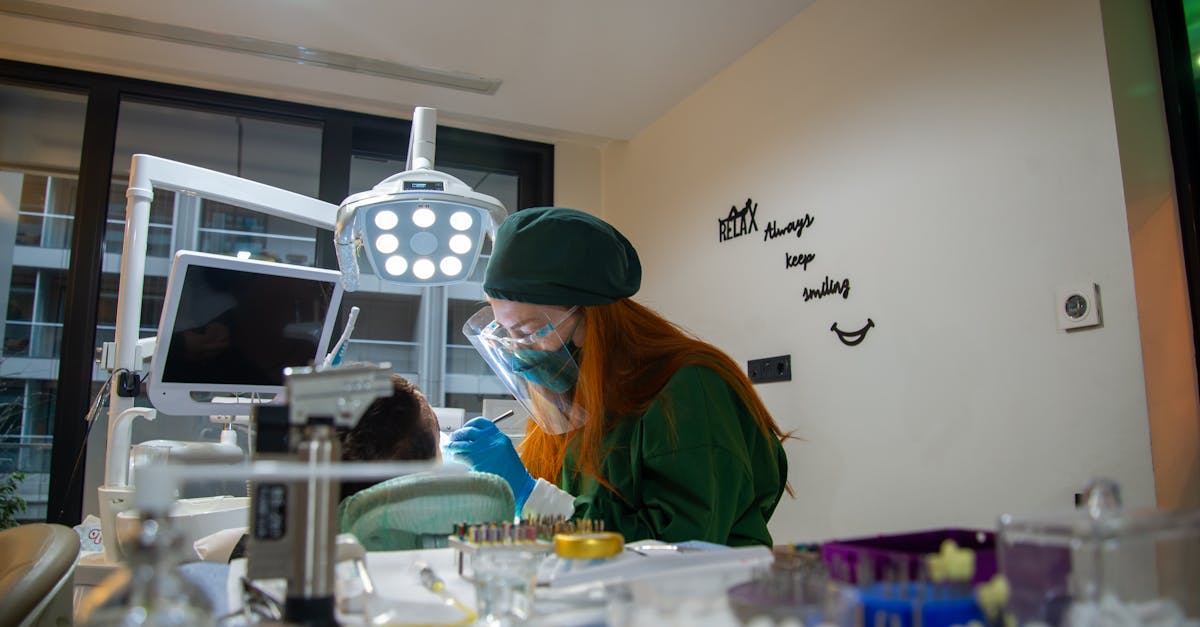
Photo by Arda Kaykısız on Pexels
Dental practices generate an extraordinary amount of structured data every day: radiographs, periodontal measurements, CDT procedure codes, insurance eligibility responses, and patient communication logs. Yet the average dentist still spends 35-40% of their chair time on non-clinical tasks like charting, insurance verification, and treatment plan documentation. For a practice producing $800K-$1.2M annually, that inefficiency translates to $280K-$480K in lost production capacity.
AI agents built for dental workflows go far beyond simple automation. They can analyze periapical and panoramic radiographs to flag caries and bone loss, sequence multi-phase treatment plans with accurate cost estimates, verify insurance eligibility in real time, optimize scheduling across multiple operatories, and generate compliant clinical documentation from voice notes. Unlike generic practice management software, these agents reason about clinical context: they understand that a patient with uncontrolled diabetes needs different periodontal recall intervals than a healthy patient.
This guide covers six core areas where AI agents transform dental practice operations, with production-ready Python code for each. Whether you run a solo practice or a DSO with 50 locations, these patterns scale to your operation.
Table of Contents
1. Radiograph Analysis & Diagnostics
Dental radiograph interpretation is one of the most time-consuming diagnostic tasks in clinical practice. A single panoramic image contains up to 32 teeth, each requiring assessment for caries, periapical pathology, bone levels, restorations, and developmental anomalies. Studies show that even experienced clinicians miss 15-25% of interproximal caries on bitewing radiographs, particularly early enamel lesions. An AI agent trained on hundreds of thousands of annotated dental images can serve as a consistent second reader, flagging findings that the clinician might overlook during a busy schedule.
For periapical and panoramic X-rays, the agent performs multi-class detection: identifying carious lesions by surface (mesial, distal, occlusal, buccal, lingual), measuring alveolar bone loss as a percentage of root length, detecting periapical radiolucencies and classifying them by size and location, and identifying failing restorations with recurrent decay. CBCT interpretation extends this to three dimensions, enabling the agent to assess impacted third molars relative to the inferior alveolar nerve, evaluate bone density and volume for implant planning, and measure airway dimensions for sleep apnea screening.
Caries classification follows the International Caries Detection and Assessment System (ICDAS), scoring lesions from 0 (sound) to 6 (extensive cavitation into dentin). The agent maps each detected lesion to the appropriate ICDAS score, which directly informs treatment decisions: scores 1-2 may warrant remineralization therapy, while scores 5-6 require restorative intervention. Periodontal charting automation measures clinical attachment loss from radiographic bone levels, correlating with probe depth data when available to generate a complete periodontal assessment.
from dataclasses import dataclass, field
from typing import List, Optional, Dict, Tuple
from enum import Enum
import math

class ToothSurface(Enum):
    MESIAL = "mesial"
    DISTAL = "distal"
    OCCLUSAL = "occlusal"
    BUCCAL = "buccal"
    LINGUAL = "lingual"

class ICDASScore(Enum):
    SOUND = 0
    FIRST_VISUAL_CHANGE_DRY = 1
    DISTINCT_VISUAL_CHANGE_WET = 2
    ENAMEL_BREAKDOWN = 3
    UNDERLYING_SHADOW = 4
    DISTINCT_CAVITY = 5
    EXTENSIVE_CAVITY = 6

@dataclass
class RadiographFinding:
    tooth_number: int
    finding_type: str          # "caries", "bone_loss", "periapical", "restoration"
    surface: Optional[ToothSurface] = None
    confidence: float = 0.0
    icdas_score: Optional[ICDASScore] = None
    bone_loss_pct: Optional[float] = None
    periapical_size_mm: Optional[float] = None
    bounding_box: Optional[Tuple[int, int, int, int]] = None

@dataclass
class PeriodontalMeasurement:
    tooth_number: int
    site: str                  # "MB", "B", "DB", "ML", "L", "DL"
    probe_depth_mm: float
    recession_mm: float
    attachment_loss_mm: float
    bleeding_on_probing: bool
    radiographic_bone_loss_pct: float

@dataclass
class CBCTFinding:
    region: str
    finding_type: str          # "impaction", "bone_density", "airway", "pathology"
    measurements: Dict[str, float] = field(default_factory=dict)
    nerve_proximity_mm: Optional[float] = None
    implant_feasible: Optional[bool] = None

class DentalRadiographAgent:
    """AI agent for dental radiograph analysis and diagnostic support."""

    CARIES_CONFIDENCE_THRESHOLD = 0.75
    BONE_LOSS_MILD = 15.0      # percentage of root length
    BONE_LOSS_MODERATE = 33.0
    BONE_LOSS_SEVERE = 50.0
    PERIAPICAL_SIGNIFICANT_MM = 3.0
    NERVE_SAFE_DISTANCE_MM = 2.0

    def __init__(self, model_weights: str = "dental_rad_v3.2"):
        self.model = model_weights
        self.findings_cache = {}

    def analyze_periapical(self, image_data: bytes,
                            tooth_region: List[int]) -> List[RadiographFinding]:
        """Analyze periapical radiograph for caries, bone loss, pathology."""
        findings = []

        # Simulated CNN inference — replace with actual model call
        detections = self._run_detection_model(image_data, "periapical")

        for det in detections:
            if det["class"] == "caries" and det["confidence"] > self.CARIES_CONFIDENCE_THRESHOLD:
                icdas = self._classify_icdas(det)
                findings.append(RadiographFinding(
                    tooth_number=det["tooth"],
                    finding_type="caries",
                    surface=ToothSurface(det["surface"]),
                    confidence=det["confidence"],
                    icdas_score=ICDASScore(icdas),
                    bounding_box=tuple(det["bbox"])
                ))

            elif det["class"] == "bone_loss":
                bone_pct = self._measure_bone_loss(det)
                findings.append(RadiographFinding(
                    tooth_number=det["tooth"],
                    finding_type="bone_loss",
                    confidence=det["confidence"],
                    bone_loss_pct=bone_pct
                ))

            elif det["class"] == "periapical_lesion":
                size = self._measure_lesion_size(det)
                findings.append(RadiographFinding(
                    tooth_number=det["tooth"],
                    finding_type="periapical",
                    confidence=det["confidence"],
                    periapical_size_mm=size
                ))

        return findings

    def analyze_panoramic(self, image_data: bytes) -> Dict:
        """Full-mouth analysis from panoramic radiograph."""
        detections = self._run_detection_model(image_data, "panoramic")
        findings_by_tooth = {}

        for det in detections:
            tooth = det["tooth"]
            if tooth not in findings_by_tooth:
                findings_by_tooth[tooth] = []

            finding = RadiographFinding(
                tooth_number=tooth,
                finding_type=det["class"],
                confidence=det["confidence"],
                surface=ToothSurface(det["surface"]) if det.get("surface") else None,
                icdas_score=ICDASScore(self._classify_icdas(det)) if det["class"] == "caries" else None,
                bone_loss_pct=self._measure_bone_loss(det) if det["class"] == "bone_loss" else None
            )
            findings_by_tooth[tooth].append(finding)

        return {
            "total_teeth_detected": len(findings_by_tooth),
            "findings_by_tooth": findings_by_tooth,
            "summary": self._generate_diagnostic_summary(findings_by_tooth),
            "urgent_findings": [
                f for tooth_findings in findings_by_tooth.values()
                for f in tooth_findings
                if self._is_urgent(f)
            ]
        }

    def assess_cbct_for_implant(self, cbct_data: bytes,
                                 implant_site: int) -> CBCTFinding:
        """Evaluate CBCT scan for implant feasibility at a specific site."""
        measurements = self._run_cbct_analysis(cbct_data, implant_site)

        bone_width = measurements.get("buccolingual_width_mm", 0)
        bone_height = measurements.get("available_height_mm", 0)
        bone_density = measurements.get("hounsfield_units", 0)
        nerve_dist = measurements.get("nerve_distance_mm", 999)

        min_width = 6.0   # minimum for standard implant
        min_height = 10.0  # minimum for standard implant

        feasible = (
            bone_width >= min_width
            and bone_height >= min_height
            and nerve_dist >= self.NERVE_SAFE_DISTANCE_MM
        )

        return CBCTFinding(
            region=f"tooth_{implant_site}",
            finding_type="implant_assessment",
            measurements={
                "bone_width_mm": bone_width,
                "bone_height_mm": bone_height,
                "bone_density_hu": bone_density,
                "nerve_distance_mm": nerve_dist
            },
            nerve_proximity_mm=nerve_dist,
            implant_feasible=feasible
        )

    def automate_perio_charting(self, radiograph_findings: List[RadiographFinding],
                                 probe_data: List[Dict]) -> List[PeriodontalMeasurement]:
        """Combine radiographic bone levels with clinical probe data."""
        measurements = []
        bone_loss_map = {
            f.tooth_number: f.bone_loss_pct
            for f in radiograph_findings
            if f.finding_type == "bone_loss"
        }

        for probe in probe_data:
            tooth = probe["tooth"]
            rad_bone_loss = bone_loss_map.get(tooth, 0)

            for site in ["MB", "B", "DB", "ML", "L", "DL"]:
                pd = probe["sites"][site]["depth"]
                rec = probe["sites"][site]["recession"]
                bop = probe["sites"][site]["bleeding"]

                measurements.append(PeriodontalMeasurement(
                    tooth_number=tooth,
                    site=site,
                    probe_depth_mm=pd,
                    recession_mm=rec,
                    attachment_loss_mm=pd + rec,
                    bleeding_on_probing=bop,
                    radiographic_bone_loss_pct=rad_bone_loss
                ))

        return measurements

    def _classify_icdas(self, detection: dict) -> int:
        depth = detection.get("lesion_depth", 0)
        if depth < 0.2: return 1
        elif depth < 0.5: return 2
        elif depth < 1.0: return 3
        elif depth < 1.5: return 4
        elif depth < 2.5: return 5
        return 6

    def _measure_bone_loss(self, detection: dict) -> float:
        cej_y = detection.get("cej_position", 0)
        crest_y = detection.get("bone_crest_position", 0)
        apex_y = detection.get("apex_position", 1)
        root_length = abs(apex_y - cej_y) if apex_y != cej_y else 1
        loss = abs(crest_y - cej_y) / root_length * 100
        return round(min(loss, 100), 1)

    def _measure_lesion_size(self, detection: dict) -> float:
        bbox = detection.get("bbox", [0, 0, 0, 0])
        pixel_size_mm = detection.get("pixel_spacing", 0.1)
        width = (bbox[2] - bbox[0]) * pixel_size_mm
        height = (bbox[3] - bbox[1]) * pixel_size_mm
        return round(max(width, height), 1)

    def _is_urgent(self, finding: RadiographFinding) -> bool:
        if finding.finding_type == "periapical" and finding.periapical_size_mm and finding.periapical_size_mm > self.PERIAPICAL_SIGNIFICANT_MM:
            return True
        if finding.finding_type == "bone_loss" and finding.bone_loss_pct and finding.bone_loss_pct > self.BONE_LOSS_SEVERE:
            return True
        if finding.icdas_score and finding.icdas_score.value >= 5:
            return True
        return False

    def _run_detection_model(self, image_data, image_type):
        return []  # Replace with actual model inference

    def _run_cbct_analysis(self, cbct_data, site):
return {} # Replace with actual CBCT processing2. Treatment Planning & Case Presentation
Treatment planning in dentistry involves sequencing procedures across multiple appointments while balancing clinical urgency, patient preferences, insurance coverage, and financial constraints. A patient with moderate periodontitis, three carious lesions, and a missing molar needs periodontal therapy before restorative work, but the treatment plan must also consider whether insurance covers scaling and root planing this benefit year, whether the patient can afford the implant out of pocket, and how to phase the work to minimize chair time per visit.
An AI agent for treatment planning ingests diagnostic findings from radiograph analysis, clinical exam data, patient medical history, and insurance plan details to generate optimized treatment sequences. It assigns priority scores based on clinical urgency (acute pain and infection first), structural risk (compromised teeth that threaten adjacent teeth), and long-term prognosis. The agent also maps each procedure to its CDT code, estimates costs using the practice fee schedule, and predicts insurance coverage based on the patient's specific plan to produce an accurate patient responsibility estimate before treatment begins.
Case acceptance is the revenue bottleneck for most practices, averaging only 40-60% for treatment plans over $2,000. The agent optimizes case presentations by generating visual treatment simulations, offering phased payment options, comparing treatment alternatives with pros and cons (e.g., implant vs. bridge vs. partial denture for a single missing tooth), and personalizing the presentation based on the patient's communication preferences and financial history. Practices using AI-driven case presentation report 15-25% increases in case acceptance rates.
from dataclasses import dataclass, field
from typing import List, Dict, Optional, Tuple
from enum import Enum
from datetime import datetime, timedelta

class TreatmentUrgency(Enum):
    EMERGENCY = 1       # acute pain, infection, trauma
    HIGH = 2            # active disease progression
    MODERATE = 3        # needed but stable
    ELECTIVE = 4        # cosmetic or optional
    PREVENTIVE = 5      # maintenance and prevention

@dataclass
class Procedure:
    cdt_code: str
    description: str
    tooth: Optional[int]
    surfaces: Optional[str]     # e.g., "MOD"
    urgency: TreatmentUrgency
    fee: float
    estimated_insurance: float
    chair_minutes: int
    requires_anesthesia: bool
    prerequisites: List[str] = field(default_factory=list)  # CDT codes

@dataclass
class TreatmentPhase:
    phase_number: int
    name: str
    procedures: List[Procedure]
    total_fee: float
    total_insurance: float
    patient_responsibility: float
    total_chair_minutes: int
    appointments_needed: int

@dataclass
class PatientProfile:
    patient_id: str
    age: int
    medical_conditions: List[str]
    insurance_plan: Optional[str]
    annual_max_remaining: float
    communication_preference: str   # "visual", "detailed", "simple"
    payment_history: str            # "excellent", "good", "poor"
    past_acceptance_rate: float     # 0.0 to 1.0

class TreatmentPlanningAgent:
    """AI agent for treatment sequencing, cost estimation, and case presentation."""

    MAX_CHAIR_TIME_PER_VISIT = 90   # minutes
    IDEAL_CHAIR_TIME = 60           # minutes
    PHASES = ["emergency", "disease_control", "restorative", "prosthetic", "maintenance"]

    def __init__(self, fee_schedule: Dict[str, float],
                 insurance_tables: Dict[str, Dict]):
        self.fee_schedule = fee_schedule
        self.insurance_tables = insurance_tables

    def generate_treatment_plan(self, findings: List[Dict],
                                  patient: PatientProfile) -> List[TreatmentPhase]:
        """Generate prioritized, phased treatment plan from diagnostic findings."""
        procedures = self._findings_to_procedures(findings, patient)
        procedures = self._apply_medical_modifiers(procedures, patient)
        procedures.sort(key=lambda p: (p.urgency.value, -p.fee))

        # Resolve dependencies: perio before restorative, endo before crown
        procedures = self._resolve_dependencies(procedures)

        # Phase grouping
        phases = []
        current_phase_procs = []
        current_phase_name = self.PHASES[0]
        current_minutes = 0

        for proc in procedures:
            phase_name = self._get_phase_name(proc)

            if phase_name != current_phase_name and current_phase_procs:
                phases.append(self._build_phase(
                    len(phases) + 1, current_phase_name,
                    current_phase_procs, patient
                ))
                current_phase_procs = []
                current_phase_name = phase_name

            current_phase_procs.append(proc)

        if current_phase_procs:
            phases.append(self._build_phase(
                len(phases) + 1, current_phase_name,
                current_phase_procs, patient
            ))

        return phases

    def estimate_insurance_coverage(self, procedure: Procedure,
                                      patient: PatientProfile) -> Dict:
        """Predict insurance payment for a specific procedure."""
        plan = self.insurance_tables.get(patient.insurance_plan, {})
        category = self._cdt_category(procedure.cdt_code)
        coverage_pct = plan.get(category, 0)

        # Check frequency limitations
        frequency_limit = plan.get("frequency_limits", {}).get(procedure.cdt_code)
        if frequency_limit and not self._frequency_check(procedure, patient, frequency_limit):
            return {
                "covered": False,
                "reason": f"Frequency limitation: {frequency_limit}",
                "patient_responsibility": procedure.fee
            }

        # Check annual maximum
        estimated_payment = procedure.fee * (coverage_pct / 100)
        if estimated_payment > patient.annual_max_remaining:
            estimated_payment = patient.annual_max_remaining

        return {
            "covered": True,
            "coverage_pct": coverage_pct,
            "estimated_payment": round(estimated_payment, 2),
            "patient_responsibility": round(procedure.fee - estimated_payment, 2),
            "annual_max_after": round(patient.annual_max_remaining - estimated_payment, 2)
        }

    def optimize_case_presentation(self, phases: List[TreatmentPhase],
                                     patient: PatientProfile) -> Dict:
        """Tailor case presentation strategy to patient profile."""
        total_fee = sum(p.total_fee for p in phases)
        total_patient = sum(p.patient_responsibility for p in phases)

        strategy = {
            "presentation_style": patient.communication_preference,
            "total_investment": total_fee,
            "insurance_covers": total_fee - total_patient,
            "patient_investment": total_patient,
            "phases": len(phases),
        }

        # Payment options based on patient profile and amount
        if total_patient > 3000:
            strategy["financing_options"] = [
                {"type": "in_house_split", "payments": 3,
                 "amount_per": round(total_patient / 3, 2)},
                {"type": "care_credit_12mo", "monthly": round(total_patient / 12, 2),
                 "interest": "0% if paid in 12 months"},
                {"type": "phase_by_benefit_year",
                 "year_1": self._calculate_year_split(phases, patient, 1),
                 "year_2": self._calculate_year_split(phases, patient, 2)}
            ]
        elif total_patient > 1000:
            strategy["financing_options"] = [
                {"type": "in_house_split", "payments": 2,
                 "amount_per": round(total_patient / 2, 2)}
            ]

        # Treatment alternatives for high-cost items
        strategy["alternatives"] = self._generate_alternatives(phases)

        # Predicted acceptance based on historical data
        base_rate = patient.past_acceptance_rate
        if patient.communication_preference == "visual":
            base_rate *= 1.15  # visual aids increase acceptance
        if len(strategy.get("financing_options", [])) > 0:
            base_rate *= 1.10  # financing increases acceptance
        strategy["predicted_acceptance"] = min(round(base_rate, 2), 0.95)

        return strategy

    def _findings_to_procedures(self, findings, patient):
        procedures = []
        for f in findings:
            if f["type"] == "caries" and f["icdas"] >= 3:
                surfaces = f.get("surfaces", "O")
                code = "D2391" if len(surfaces) == 1 else "D2392" if len(surfaces) == 2 else "D2393"
                fee = self.fee_schedule.get(code, 250)
                ins = self.estimate_insurance_coverage(
                    Procedure(code, "", f["tooth"], surfaces,
                              TreatmentUrgency.MODERATE, fee, 0, 45, True),
                    patient
                )
                procedures.append(Procedure(
                    cdt_code=code,
                    description=f"Composite {surfaces} #{f['tooth']}",
                    tooth=f["tooth"],
                    surfaces=surfaces,
                    urgency=TreatmentUrgency.HIGH if f["icdas"] >= 5 else TreatmentUrgency.MODERATE,
                    fee=fee,
                    estimated_insurance=ins["estimated_payment"],
                    chair_minutes=45,
                    requires_anesthesia=True
                ))
            elif f["type"] == "periapical" and f.get("size_mm", 0) > 3:
                procedures.append(Procedure(
                    cdt_code="D3330",
                    description=f"RCT molar #{f['tooth']}",
                    tooth=f["tooth"], surfaces=None,
                    urgency=TreatmentUrgency.HIGH,
                    fee=self.fee_schedule.get("D3330", 1100),
                    estimated_insurance=0, chair_minutes=90,
                    requires_anesthesia=True
                ))
                procedures.append(Procedure(
                    cdt_code="D2740",
                    description=f"Crown #{f['tooth']}",
                    tooth=f["tooth"], surfaces=None,
                    urgency=TreatmentUrgency.MODERATE,
                    fee=self.fee_schedule.get("D2740", 1200),
                    estimated_insurance=0, chair_minutes=60,
                    requires_anesthesia=True,
                    prerequisites=["D3330"]
                ))
        return procedures

    def _resolve_dependencies(self, procedures):
        ordered = []
        completed_codes = set()
        remaining = list(procedures)
        max_iterations = len(remaining) * 2

        for _ in range(max_iterations):
            if not remaining:
                break
            for proc in remaining[:]:
                if all(p in completed_codes for p in proc.prerequisites):
                    ordered.append(proc)
                    completed_codes.add(proc.cdt_code)
                    remaining.remove(proc)
        return ordered + remaining

    def _build_phase(self, num, name, procs, patient):
        total_fee = sum(p.fee for p in procs)
        total_ins = sum(p.estimated_insurance for p in procs)
        total_minutes = sum(p.chair_minutes for p in procs)
        appts = math.ceil(total_minutes / self.MAX_CHAIR_TIME_PER_VISIT)
        return TreatmentPhase(
            phase_number=num, name=name, procedures=procs,
            total_fee=round(total_fee, 2),
            total_insurance=round(total_ins, 2),
            patient_responsibility=round(total_fee - total_ins, 2),
            total_chair_minutes=total_minutes,
            appointments_needed=appts
        )

    def _get_phase_name(self, proc):
        code = proc.cdt_code
        if proc.urgency == TreatmentUrgency.EMERGENCY: return "emergency"
        if code.startswith("D4"): return "disease_control"
        if code.startswith("D2") or code.startswith("D3"): return "restorative"
        if code.startswith("D5") or code.startswith("D6"): return "prosthetic"
        return "maintenance"

    def _cdt_category(self, code):
        prefix_map = {"D0": "diagnostic", "D1": "preventive", "D2": "restorative",
                       "D3": "endodontics", "D4": "periodontics", "D5": "prosthodontics",
                       "D6": "implant", "D7": "oral_surgery", "D8": "orthodontics"}
        return prefix_map.get(code[:2], "other")

    def _frequency_check(self, proc, patient, limit):
        return True  # Replace with actual claims history check

    def _calculate_year_split(self, phases, patient, year):
        return sum(p.patient_responsibility for p in phases[:year])

    def _generate_alternatives(self, phases):
return [] # Replace with alternative treatment logic3. Insurance & Revenue Cycle
Dental insurance verification and claims management consume an estimated 12-15 hours per week in the average practice, typically handled by front desk staff making phone calls, navigating payer portals, and manually entering data. Claim denial rates in dental hover around 5-10%, but each denial costs $25-50 in administrative time to rework, plus the revenue delay. For a practice submitting 200+ claims per month, that is 10-20 denied claims generating $500-$1,000 in hidden administrative costs.
An AI agent for dental insurance can verify eligibility in real time as patients check in, pulling remaining benefits, frequency limitations, waiting periods, and plan exclusions from payer databases. Before treatment begins, it pre-authorizes procedures that require it, attaching appropriate radiographs and clinical narratives automatically. CDT code optimization is particularly valuable: the agent ensures procedures are coded to the highest appropriate specificity (e.g., selecting the correct number of surfaces for a composite, using the right quadrant code for scaling), avoids bundling violations that trigger automatic denials, and identifies commonly missed billable procedures like palliative treatment or diagnostic casts.
When claims are denied, the agent analyzes the denial reason code, cross-references it with the clinical documentation, and generates appeal letters with supporting evidence. It also tracks denial patterns by payer and procedure, identifying systemic issues like a specific insurance company consistently denying D4341 claims for patients with documented AAP Type II periodontitis. Fee schedule analysis compares the practice's UCR fees against regional benchmarks and insurance reimbursement data, identifying procedures where fees are below market and leaving revenue on the table.
from dataclasses import dataclass, field
from typing import List, Dict, Optional
from datetime import datetime, date
from enum import Enum

class ClaimStatus(Enum):
    PENDING = "pending"
    SUBMITTED = "submitted"
    ACCEPTED = "accepted"
    DENIED = "denied"
    APPEALED = "appealed"
    PAID = "paid"

@dataclass
class InsurancePlan:
    payer_id: str
    payer_name: str
    group_number: str
    subscriber_id: str
    plan_type: str              # "PPO", "HMO", "indemnity"
    annual_maximum: float
    used_ytd: float
    deductible: float
    deductible_met: float
    coverage_levels: Dict[str, int]   # {"preventive": 100, "restorative": 80, ...}
    frequency_limits: Dict[str, str]  # {"D0120": "2 per year", "D1110": "2 per year"}
    waiting_periods: Dict[str, int]   # {"major": 12} months
    effective_date: date
    exclusions: List[str]

@dataclass
class Claim:
    claim_id: str
    patient_id: str
    procedures: List[Dict]      # [{cdt_code, tooth, surface, fee, ...}]
    status: ClaimStatus
    submitted_date: Optional[datetime] = None
    payer_response: Optional[Dict] = None
    denial_reason: Optional[str] = None

class InsuranceRevenueAgent:
    """AI agent for insurance verification, claims, and revenue cycle optimization."""

    def __init__(self, payer_database: Dict, fee_schedule: Dict[str, float]):
        self.payer_db = payer_database
        self.fee_schedule = fee_schedule
        self.denial_history = []

    def verify_eligibility(self, plan: InsurancePlan,
                            planned_procedures: List[Dict]) -> Dict:
        """Real-time eligibility check with benefit estimation."""
        remaining_max = plan.annual_maximum - plan.used_ytd
        remaining_deductible = plan.deductible - plan.deductible_met

        results = []
        running_benefits_used = 0

        for proc in planned_procedures:
            code = proc["cdt_code"]
            fee = proc["fee"]

            # Check exclusions
            if code in plan.exclusions:
                results.append({
                    "cdt_code": code, "status": "excluded",
                    "insurance_pays": 0, "patient_pays": fee
                })
                continue

            # Check waiting period
            category = self._cdt_category(code)
            wait_months = plan.waiting_periods.get(category, 0)
            months_enrolled = (date.today() - plan.effective_date).days / 30
            if months_enrolled < wait_months:
                results.append({
                    "cdt_code": code, "status": "waiting_period",
                    "months_remaining": round(wait_months - months_enrolled, 1),
                    "insurance_pays": 0, "patient_pays": fee
                })
                continue

            # Check frequency limits
            freq = plan.frequency_limits.get(code)
            if freq and not self._check_frequency(code, freq):
                results.append({
                    "cdt_code": code, "status": "frequency_exceeded",
                    "limit": freq, "insurance_pays": 0, "patient_pays": fee
                })
                continue

            # Calculate coverage
            coverage_pct = plan.coverage_levels.get(category, 0) / 100
            deductible_applied = 0
            if remaining_deductible > 0 and category not in ["preventive"]:
                deductible_applied = min(remaining_deductible, fee)
                remaining_deductible -= deductible_applied

            covered_amount = (fee - deductible_applied) * coverage_pct
            if running_benefits_used + covered_amount > remaining_max:
                covered_amount = max(0, remaining_max - running_benefits_used)

            running_benefits_used += covered_amount
            results.append({
                "cdt_code": code, "status": "covered",
                "fee": fee, "deductible_applied": round(deductible_applied, 2),
                "coverage_pct": coverage_pct * 100,
                "insurance_pays": round(covered_amount, 2),
                "patient_pays": round(fee - covered_amount, 2)
            })

        return {
            "plan": plan.payer_name,
            "remaining_annual_max": round(remaining_max - running_benefits_used, 2),
            "procedures": results,
            "total_insurance": round(sum(r["insurance_pays"] for r in results), 2),
            "total_patient": round(sum(r["patient_pays"] for r in results), 2)
        }

    def optimize_cdt_coding(self, procedures: List[Dict],
                              clinical_notes: str) -> List[Dict]:
        """Ensure optimal CDT coding: correct specificity, no bundling violations."""
        optimized = []

        for proc in procedures:
            code = proc["cdt_code"]
            suggestions = []

            # Surface count optimization for composites
            if code.startswith("D239"):
                surfaces = proc.get("surfaces", "")
                correct_code = {1: "D2391", 2: "D2392", 3: "D2393", 4: "D2394"}
                expected = correct_code.get(len(surfaces), code)
                if expected != code:
                    suggestions.append(f"Surface count suggests {expected} instead of {code}")
                    code = expected

            # Check for commonly missed add-on codes
            if code == "D3330" and "post" in clinical_notes.lower():
                suggestions.append("Consider adding D2954 (prefab post and core)")

            if code == "D7210" and "bone removal" in clinical_notes.lower():
                suggestions.append("Confirm surgical vs simple extraction coding")

            # Bundling check
            bundling_violations = self._check_bundling(code, procedures)
            if bundling_violations:
                suggestions.append(f"Bundling alert: {bundling_violations}")

            optimized.append({
                **proc,
                "optimized_code": code,
                "suggestions": suggestions,
                "fee": self.fee_schedule.get(code, proc["fee"])
            })

        return optimized

    def handle_denial(self, claim: Claim) -> Dict:
        """Analyze denial and generate appeal if warranted."""
        reason = claim.denial_reason or ""
        self.denial_history.append({
            "claim_id": claim.claim_id,
            "reason": reason,
            "payer": claim.payer_response.get("payer_id") if claim.payer_response else None,
            "codes": [p["cdt_code"] for p in claim.procedures],
            "date": datetime.now()
        })

        appeal_worthy = self._assess_appeal_viability(claim)

        if appeal_worthy:
            appeal = {
                "action": "appeal",
                "letter": self._generate_appeal_letter(claim),
                "supporting_docs": self._identify_supporting_docs(claim),
                "deadline": self._appeal_deadline(claim),
                "success_probability": self._predict_appeal_success(claim)
            }
        else:
            appeal = {
                "action": "write_off",
                "reason": "Low appeal success probability",
                "amount": sum(p["fee"] for p in claim.procedures)
            }

        return appeal

    def analyze_fee_schedule(self, regional_benchmarks: Dict[str, float]) -> List[Dict]:
        """Compare practice fees against regional benchmarks."""
        analysis = []
        for code, practice_fee in self.fee_schedule.items():
            benchmark = regional_benchmarks.get(code, 0)
            if benchmark > 0:
                diff_pct = ((practice_fee - benchmark) / benchmark) * 100
                analysis.append({
                    "cdt_code": code,
                    "practice_fee": practice_fee,
                    "regional_benchmark": benchmark,
                    "difference_pct": round(diff_pct, 1),
                    "recommendation": "increase" if diff_pct < -10 else "maintain" if diff_pct < 10 else "review"
                })

        analysis.sort(key=lambda a: a["difference_pct"])
        return analysis

    def _cdt_category(self, code):
        prefix_map = {"D0": "preventive", "D1": "preventive", "D2": "basic",
                       "D3": "major", "D4": "major", "D5": "major",
                       "D6": "implant", "D7": "oral_surgery", "D8": "orthodontics"}
        return prefix_map.get(code[:2], "other")

    def _check_frequency(self, code, limit):
        return True  # Replace with claims history lookup

    def _check_bundling(self, code, all_procedures):
        return None  # Replace with bundling rules engine

    def _assess_appeal_viability(self, claim):
        return claim.denial_reason not in ["non_covered_service", "plan_exclusion"]

    def _generate_appeal_letter(self, claim):
        return f"Appeal for claim {claim.claim_id}: clinical necessity documented."

    def _identify_supporting_docs(self, claim):
        return ["radiograph", "clinical_notes", "periodontal_charting"]

    def _appeal_deadline(self, claim):
        return (datetime.now() + timedelta(days=60)).strftime("%Y-%m-%d")

    def _predict_appeal_success(self, claim):
return 0.654. Patient Scheduling & Communication
Dental scheduling is a constrained optimization problem that most practices solve with intuition and sticky notes. Each appointment must match procedure duration to available chair time, assign the right provider (hygienist for prophylaxis, associate for restorative, specialist for endo), account for anesthesia onset times and patient anxiety levels, and buffer for inevitable emergencies. A poorly optimized schedule leaves chairs empty 15-20% of the day while simultaneously overbooking certain time slots, creating patient wait times that drive negative reviews.
An AI scheduling agent learns from historical data: which procedure types actually take longer than the CDT-standard time, which providers work faster on specific procedures, which time slots have the highest no-show rates, and how to cluster procedures that share setup requirements. It predicts appointment durations based on procedure complexity, patient history (first-time patients take longer), and provider speed profiles. The agent also manages recall scheduling with risk-based intervals: a patient with active periodontal disease gets 3-month recalls instead of the standard 6-month, while a low-risk patient with excellent hygiene might be safely extended to 9 months.
Patient communication automation handles the full lifecycle: appointment confirmations 48 hours ahead (reducing no-shows by 30-40%), day-of reminders via the patient's preferred channel (SMS, email, or phone), post-treatment follow-up messages checking for complications, overdue recall outreach with escalating urgency, and review solicitation timed to peak satisfaction (typically 24-48 hours after a positive experience). The agent personalizes message tone and timing based on patient engagement history and response patterns.
from dataclasses import dataclass, field
from typing import List, Dict, Optional, Tuple
from datetime import datetime, timedelta, time
from enum import Enum
import statistics

class AppointmentType(Enum):
    PROPHYLAXIS = "prophy"
    SRP = "srp"
    COMPOSITE = "composite"
    CROWN_PREP = "crown_prep"
    CROWN_SEAT = "crown_seat"
    ROOT_CANAL = "root_canal"
    EXTRACTION = "extraction"
    EXAM_XRAY = "exam_xray"
    EMERGENCY = "emergency"
    IMPLANT = "implant"

@dataclass
class Provider:
    provider_id: str
    name: str
    role: str                   # "dentist", "hygienist", "specialist"
    procedure_speeds: Dict[str, float]   # {procedure: minutes_avg}
    schedule_blocks: List[Dict]          # [{day, start, end}]

@dataclass
class Operatory:
    operatory_id: str
    equipment: List[str]        # ["digital_xray", "cerec", "laser"]
    provider_assigned: Optional[str] = None

@dataclass
class PatientSchedule:
    patient_id: str
    name: str
    preferred_days: List[str]
    preferred_times: str        # "morning", "afternoon", "any"
    anxiety_level: int          # 1-5
    no_show_risk: float         # 0.0 to 1.0
    last_visit: Optional[datetime] = None
    recall_interval_months: int = 6
    overdue_days: int = 0

@dataclass
class TimeSlot:
    start: datetime
    end: datetime
    operatory_id: str
    provider_id: str
    available: bool = True

class SchedulingAgent:
    """AI agent for smart scheduling, recall management, and patient communication."""

    EMERGENCY_BUFFER_MINUTES = 30
    NO_SHOW_HIGH_RISK = 0.25
    OVERBOOKING_THRESHOLD = 0.20

    def __init__(self, providers: List[Provider],
                 operatories: List[Operatory]):
        self.providers = {p.provider_id: p for p in providers}
        self.operatories = {o.operatory_id: o for o in operatories}
        self.appointment_history = []

    def find_optimal_slot(self, patient: PatientSchedule,
                           procedure: AppointmentType,
                           preferred_date: Optional[datetime] = None) -> List[Dict]:
        """Find best appointment slots considering all constraints."""
        duration = self._predict_duration(procedure, patient)
        eligible_providers = self._match_providers(procedure)
        candidates = []

        search_start = preferred_date or datetime.now() + timedelta(days=1)
        search_end = search_start + timedelta(days=21)

        for provider in eligible_providers:
            open_slots = self._get_open_slots(
                provider.provider_id, search_start, search_end, duration
            )

            for slot in open_slots:
                score = self._score_slot(slot, patient, procedure, duration)
                candidates.append({
                    "start": slot.start,
                    "end": slot.start + timedelta(minutes=duration),
                    "provider": provider.name,
                    "provider_id": provider.provider_id,
                    "operatory": slot.operatory_id,
                    "duration_minutes": duration,
                    "score": score,
                    "no_show_risk": patient.no_show_risk
                })

        candidates.sort(key=lambda c: c["score"], reverse=True)
        return candidates[:5]

    def manage_recalls(self, patients: List[PatientSchedule]) -> Dict:
        """Identify overdue patients and prioritize recall outreach."""
        overdue = []
        upcoming = []
        at_risk = []

        today = datetime.now()

        for patient in patients:
            if patient.last_visit is None:
                overdue.append({"patient": patient, "priority": "high", "days_overdue": 999})
                continue

            next_due = patient.last_visit + timedelta(days=patient.recall_interval_months * 30)
            days_until = (next_due - today).days

            if days_until < -90:
                overdue.append({
                    "patient": patient,
                    "priority": "critical",
                    "days_overdue": abs(days_until)
                })
            elif days_until < 0:
                overdue.append({
                    "patient": patient,
                    "priority": "high",
                    "days_overdue": abs(days_until)
                })
            elif days_until < 30:
                upcoming.append({
                    "patient": patient,
                    "priority": "schedule_now",
                    "days_until_due": days_until
                })

            # High no-show risk patients need extra attention
            if patient.no_show_risk > self.NO_SHOW_HIGH_RISK:
                at_risk.append(patient)

        overdue.sort(key=lambda x: x["days_overdue"], reverse=True)

        return {
            "overdue_count": len(overdue),
            "overdue_patients": overdue[:50],
            "upcoming_due": upcoming,
            "high_no_show_risk": len(at_risk),
            "total_recall_revenue_at_risk": len(overdue) * 350  # avg prophy + exam value
        }

    def generate_communication(self, patient: PatientSchedule,
                                 comm_type: str,
                                 appointment_details: Optional[Dict] = None) -> Dict:
        """Generate personalized patient communication."""
        messages = {
            "confirmation_48h": {
                "channel": "sms",
                "message": f"Hi {patient.name}, this is a reminder of your dental appointment "
                           f"on {appointment_details['start'].strftime('%A, %B %d at %I:%M %p')}. "
                           f"Reply C to confirm or R to reschedule.",
                "send_at": appointment_details["start"] - timedelta(hours=48)
            },
            "day_of_reminder": {
                "channel": "sms",
                "message": f"Hi {patient.name}, your appointment is today at "
                           f"{appointment_details['start'].strftime('%I:%M %p')}. "
                           f"Please arrive 10 minutes early.",
                "send_at": appointment_details["start"] - timedelta(hours=3)
            },
            "post_treatment": {
                "channel": "sms",
                "message": f"Hi {patient.name}, we hope you're feeling well after your visit today. "
                           f"If you have any questions or concerns, please call us at (555) 123-4567.",
                "send_at": datetime.now() + timedelta(hours=4)
            },
            "overdue_recall": {
                "channel": "email" if patient.overdue_days > 60 else "sms",
                "message": f"Hi {patient.name}, it's been a while since your last dental visit. "
                           f"Regular checkups help catch issues early. "
                           f"Would you like to schedule your cleaning? Call or reply to book.",
                "send_at": datetime.now() + timedelta(hours=9)  # morning send
            },
            "review_request": {
                "channel": "sms",
                "message": f"Hi {patient.name}, thank you for visiting us! "
                           f"If you had a great experience, we'd appreciate a quick review: "
                           f"[review_link]. Thank you!",
                "send_at": datetime.now() + timedelta(hours=36)
            }
        }

        return messages.get(comm_type, {})

    def _predict_duration(self, procedure: AppointmentType,
                           patient: PatientSchedule) -> int:
        base_times = {
            AppointmentType.PROPHYLAXIS: 45, AppointmentType.SRP: 60,
            AppointmentType.COMPOSITE: 50, AppointmentType.CROWN_PREP: 75,
            AppointmentType.CROWN_SEAT: 40, AppointmentType.ROOT_CANAL: 90,
            AppointmentType.EXTRACTION: 45, AppointmentType.EXAM_XRAY: 30,
            AppointmentType.EMERGENCY: 30, AppointmentType.IMPLANT: 90
        }
        base = base_times.get(procedure, 45)

        # Anxiety adjustment: high-anxiety patients need more time
        if patient.anxiety_level >= 4:
            base = int(base * 1.20)

        # New patient adjustment
        if patient.last_visit is None:
            base = int(base * 1.15)

        return base

    def _match_providers(self, procedure: AppointmentType) -> List[Provider]:
        hygiene_procs = {AppointmentType.PROPHYLAXIS, AppointmentType.SRP}
        if procedure in hygiene_procs:
            return [p for p in self.providers.values() if p.role == "hygienist"]
        return [p for p in self.providers.values() if p.role in ("dentist", "specialist")]

    def _score_slot(self, slot, patient, procedure, duration) -> float:
        score = 50.0
        slot_hour = slot.start.hour
        if patient.preferred_times == "morning" and slot_hour < 12:
            score += 20
        elif patient.preferred_times == "afternoon" and slot_hour >= 12:
            score += 20
        day_name = slot.start.strftime("%A").lower()
        if day_name in [d.lower() for d in patient.preferred_days]:
            score += 15
        if patient.no_show_risk > self.NO_SHOW_HIGH_RISK and slot_hour < 11:
            score += 10  # morning slots have lower no-show rates
        return score

    def _get_open_slots(self, provider_id, start, end, duration):
return [] # Replace with actual calendar integration5. Clinical Documentation & Compliance
Clinical documentation in dentistry is uniquely demanding because it must serve multiple masters simultaneously: the clinical record for continuity of care, the legal record for malpractice defense, the billing record for insurance reimbursement, and the compliance record for HIPAA audits. A typical restorative procedure note should document the diagnosis, anesthesia administered (type, amount, location), isolation method, caries removal technique, liner or base materials, composite shade and layering, occlusal adjustment, and post-operative instructions given. Most dentists shortcut this with templates that say "composite placed, occlusion checked," which is clinically and legally inadequate.
An AI documentation agent captures procedure details through voice-to-text during the procedure, structured data entry from the provider, or inference from the procedures billed. It generates comprehensive, compliant notes that include all required elements for each procedure type. HIPAA compliance monitoring tracks access logs, ensures minimum necessary data sharing, monitors for potential breaches (like a staff member accessing records of patients they are not treating), and manages Business Associate Agreements with vendors. The agent also maintains infection control documentation: sterilization cycle logs, biological indicator results, instrument tracking, and exposure incident management.
Quality metrics tracking follows ADA Dental Quality Alliance measures and practice-specific KPIs. The agent monitors clinical outcomes like restoration longevity (tracking re-treatment rates by provider and material), extraction complication rates, endodontic success rates (confirmed by follow-up radiographs), and periodontal therapy response rates. This data drives continuous improvement: if a specific composite brand shows higher failure rates in posterior restorations, the agent flags the trend and recommends material evaluation.
from dataclasses import dataclass, field
from typing import List, Dict, Optional
from datetime import datetime, timedelta
from enum import Enum

class ComplianceStatus(Enum):
    COMPLIANT = "compliant"
    WARNING = "warning"
    VIOLATION = "violation"
    AUDIT_REQUIRED = "audit_required"

@dataclass
class ProcedureNote:
    patient_id: str
    provider_id: str
    tooth: Optional[int]
    cdt_code: str
    timestamp: datetime
    diagnosis: str
    anesthesia: Optional[Dict]          # {type, amount_ml, location, batch}
    materials: List[Dict]               # [{name, shade, batch, expiry}]
    technique_notes: str
    post_op_instructions: List[str]
    complications: Optional[str] = None
    voice_transcript: Optional[str] = None

@dataclass
class SterilizationLog:
    cycle_id: str
    autoclave_id: str
    timestamp: datetime
    temperature_c: float
    pressure_psi: float
    duration_minutes: int
    biological_indicator: bool
    bi_result: Optional[str] = None     # "pass", "fail"
    instruments: List[str] = field(default_factory=list)

@dataclass
class AccessLog:
    user_id: str
    patient_id: str
    timestamp: datetime
    action: str                 # "view", "edit", "print", "export"
    data_accessed: str          # "chart", "radiograph", "billing", "demographics"
    ip_address: str
    authorized: bool = True

class DocumentationComplianceAgent:
    """AI agent for clinical documentation, HIPAA compliance, and quality tracking."""

    REQUIRED_NOTE_ELEMENTS = {
        "D2391": ["diagnosis", "anesthesia", "isolation", "caries_removal",
                   "liner_base", "composite_shade", "occlusion", "post_op"],
        "D3330": ["diagnosis", "anesthesia", "access", "working_length",
                   "irrigation", "obturation", "sealer", "restoration", "post_op"],
        "D7210": ["diagnosis", "anesthesia", "technique", "bone_removal",
                   "root_tip", "irrigation", "sutures", "hemostasis", "post_op"],
        "D4341": ["diagnosis", "anesthesia", "quadrant", "instrumentation",
                   "irrigation", "patient_response", "re_evaluation_plan"]
    }

    def __init__(self):
        self.notes_database = []
        self.access_logs = []
        self.sterilization_logs = []
        self.quality_metrics = {}

    def generate_procedure_note(self, procedure_data: Dict,
                                  voice_transcript: Optional[str] = None) -> ProcedureNote:
        """Generate comprehensive clinical note from procedure data and voice input."""
        cdt = procedure_data["cdt_code"]
        required = self.REQUIRED_NOTE_ELEMENTS.get(cdt, ["diagnosis", "post_op"])

        # Extract structured data from voice transcript if available
        extracted = {}
        if voice_transcript:
            extracted = self._parse_voice_transcript(voice_transcript, cdt)

        # Build anesthesia record
        anesthesia = None
        if procedure_data.get("anesthesia_type"):
            anesthesia = {
                "type": procedure_data["anesthesia_type"],
                "agent": procedure_data.get("anesthetic_agent", "2% lidocaine 1:100K epi"),
                "amount_ml": procedure_data.get("anesthesia_amount", 1.8),
                "location": procedure_data.get("anesthesia_location", ""),
                "batch_number": procedure_data.get("anesthesia_batch", ""),
                "aspiration": "negative"
            }

        # Build technique notes from template + extracted data
        technique = self._build_technique_notes(cdt, procedure_data, extracted)

        # Standard post-op instructions by procedure
        post_op = self._standard_post_op(cdt)

        note = ProcedureNote(
            patient_id=procedure_data["patient_id"],
            provider_id=procedure_data["provider_id"],
            tooth=procedure_data.get("tooth"),
            cdt_code=cdt,
            timestamp=datetime.now(),
            diagnosis=procedure_data.get("diagnosis", ""),
            anesthesia=anesthesia,
            materials=procedure_data.get("materials", []),
            technique_notes=technique,
            post_op_instructions=post_op,
            voice_transcript=voice_transcript
        )

        # Validate completeness
        completeness = self._validate_note_completeness(note, required)
        if completeness["missing"]:
            note.technique_notes += f"\n[INCOMPLETE: Missing {', '.join(completeness['missing'])}]"

        self.notes_database.append(note)
        return note

    def monitor_hipaa_compliance(self, logs: List[AccessLog]) -> Dict:
        """Analyze access patterns for HIPAA violations."""
        violations = []
        warnings = []

        # Group by user
        user_access = {}
        for log in logs:
            if log.user_id not in user_access:
                user_access[log.user_id] = []
            user_access[log.user_id].append(log)

        for user_id, accesses in user_access.items():
            # Check for after-hours access
            for access in accesses:
                hour = access.timestamp.hour
                if hour < 6 or hour > 22:
                    warnings.append({
                        "type": "after_hours_access",
                        "user": user_id,
                        "patient": access.patient_id,
                        "time": access.timestamp.isoformat(),
                        "severity": "medium"
                    })

            # Check for bulk record access (possible breach)
            unique_patients = set(a.patient_id for a in accesses)
            if len(unique_patients) > 50:
                daily_groups = {}
                for a in accesses:
                    day = a.timestamp.date()
                    if day not in daily_groups:
                        daily_groups[day] = set()
                    daily_groups[day].add(a.patient_id)

                for day, patients in daily_groups.items():
                    if len(patients) > 30:
                        violations.append({
                            "type": "bulk_access_anomaly",
                            "user": user_id,
                            "date": str(day),
                            "records_accessed": len(patients),
                            "severity": "high",
                            "action": "investigate_immediately"
                        })

            # Check for accessing non-assigned patients
            for access in accesses:
                if not access.authorized:
                    violations.append({
                        "type": "unauthorized_access",
                        "user": user_id,
                        "patient": access.patient_id,
                        "severity": "critical",
                        "action": "report_to_privacy_officer"
                    })

        return {
            "status": ComplianceStatus.VIOLATION.value if violations else
                      ComplianceStatus.WARNING.value if warnings else
                      ComplianceStatus.COMPLIANT.value,
            "violations": violations,
            "warnings": warnings,
            "audit_period": f"{logs[0].timestamp.date()} to {logs[-1].timestamp.date()}" if logs else "N/A",
            "total_access_events": len(logs)
        }

    def track_sterilization(self, log: SterilizationLog) -> Dict:
        """Monitor sterilization compliance and flag failures."""
        self.sterilization_logs.append(log)
        issues = []

        if log.temperature_c < 121:
            issues.append("Temperature below minimum (121C)")
        if log.pressure_psi < 15:
            issues.append("Pressure below minimum (15 PSI)")
        if log.duration_minutes < 30:
            issues.append("Cycle duration below minimum (30 min)")
        if log.biological_indicator and log.bi_result == "fail":
            issues.append("CRITICAL: Biological indicator FAILED — recall instruments")

        return {
            "cycle_id": log.cycle_id,
            "status": "fail" if issues else "pass",
            "issues": issues,
            "action_required": "Quarantine instruments and re-process" if issues else None,
            "next_bi_due": self._next_bi_schedule()
        }

    def track_quality_metrics(self, provider_id: str,
                                outcomes: List[Dict]) -> Dict:
        """Track clinical quality metrics by provider."""
        retreatment_rate = 0
        complication_rate = 0
        total = len(outcomes)

        if total == 0:
            return {"provider": provider_id, "insufficient_data": True}

        retreatments = [o for o in outcomes if o.get("retreatment")]
        complications = [o for o in outcomes if o.get("complication")]

        retreatment_rate = len(retreatments) / total * 100
        complication_rate = len(complications) / total * 100

        # Material-specific analysis
        material_outcomes = {}
        for o in outcomes:
            mat = o.get("material", "unknown")
            if mat not in material_outcomes:
                material_outcomes[mat] = {"total": 0, "failures": 0}
            material_outcomes[mat]["total"] += 1
            if o.get("retreatment"):
                material_outcomes[mat]["failures"] += 1

        return {
            "provider_id": provider_id,
            "total_procedures": total,
            "retreatment_rate_pct": round(retreatment_rate, 1),
            "complication_rate_pct": round(complication_rate, 1),
            "material_analysis": {
                mat: {"failure_rate": round(d["failures"]/d["total"]*100, 1) if d["total"] > 0 else 0}
                for mat, d in material_outcomes.items()
            },
            "benchmark_comparison": {
                "retreatment": "above_average" if retreatment_rate > 8 else "acceptable",
                "complications": "above_average" if complication_rate > 5 else "acceptable"
            }
        }

    def _parse_voice_transcript(self, transcript, cdt_code):
        return {}  # Replace with NLP extraction

    def _build_technique_notes(self, cdt, data, extracted):
        templates = {
            "D2391": "Caries excavated under rubber dam isolation. Cavity preparation completed. "
                     "Selective etch applied for 15 seconds, rinsed and dried. Bonding agent applied "
                     "and light-cured. Composite placed in increments, light-cured 20 seconds per layer. "
                     "Occlusion checked and adjusted. Final polish completed.",
            "D3330": "Access achieved through occlusal surface. Working length determined with apex locator "
                     "and confirmed radiographically. Canals instrumented using rotary files. "
                     "Irrigated with NaOCl between each file. Canals dried and obturated with gutta percha "
                     "and sealer. Access restored with composite."
        }
        return templates.get(cdt, f"Procedure {cdt} completed per standard protocol.")

    def _standard_post_op(self, cdt):
        post_ops = {
            "D2391": ["Avoid chewing on restoration for 2 hours",
                       "Mild sensitivity is normal for 1-2 weeks",
                       "Call if bite feels high or pain persists"],
            "D3330": ["Mild discomfort is normal for 3-5 days",
                       "Take ibuprofen 400mg every 6 hours as needed",
                       "Avoid chewing on the tooth until final restoration",
                       "Call immediately if swelling develops"],
            "D7210": ["Bite on gauze for 30 minutes",
                       "No spitting, straws, or smoking for 48 hours",
                       "Soft diet for 3-5 days",
                       "Take prescribed medications as directed"]
        }
        return post_ops.get(cdt, ["Follow standard post-operative instructions"])

    def _validate_note_completeness(self, note, required):
        present = set()
        if note.diagnosis: present.add("diagnosis")
        if note.anesthesia: present.add("anesthesia")
        if note.materials: present.add("materials")
        if note.post_op_instructions: present.add("post_op")
        if "isolation" in note.technique_notes.lower(): present.add("isolation")
        if "occlusion" in note.technique_notes.lower(): present.add("occlusion")
        missing = [r for r in required if r not in present]
        return {"complete": len(missing) == 0, "missing": missing}

    def _next_bi_schedule(self):
return (datetime.now() + timedelta(days=7)).strftime("%Y-%m-%d")6. ROI Analysis for Group Practice
For a dental group practice operating 4 locations with 12 operatories total, the ROI of AI agent deployment spans every revenue and cost center. Diagnostic accuracy improvements from AI-assisted radiograph analysis translate directly to increased case detection: finding 20% more early caries means 20% more restorative procedures identified and presented. At an average composite fee of $250 and 5 additional detections per day across the group, that is $6,250/week or $325,000/year in additional production.
Insurance optimization through proper CDT coding, pre-authorization automation, and denial management typically recovers 3-5% of gross collections. For a group producing $4M annually, that is $120K-$200K in recovered revenue. Scheduling optimization reduces no-show losses (recapturing 60-80% of the $200K-$400K annual no-show cost) and improves chair utilization from the industry average of 75% to 85-90%, adding 10-15% production capacity without additional chairs or staff. Clinical documentation automation saves 8-12 minutes per procedure, which across 80 daily procedures group-wide translates to 10-16 additional chair-hours per day — the equivalent of adding 2 operatories to the practice without construction costs.
Total implementation costs for a 4-location group include AI platform licensing ($2,000-5,000/month), integration with existing practice management software (one-time $20K-50K), staff training (40 hours across all locations), and ongoing model customization. Against annual benefits of $1.2-3.1M, the investment pays for itself within the first 2-3 months. The compound effect is what makes dental AI transformative: better diagnostics feed more treatment plans, which feed more insurance claims, which are coded better, which get paid faster, which improves cash flow, which funds practice growth.
from dataclasses import dataclass
from typing import Dict

@dataclass
class PracticeProfile:
    locations: int
    operatories: int
    providers: int              # dentists
    hygienists: int
    annual_production: float    # USD
    annual_collections: float
    daily_patients: int         # across all locations
    avg_procedures_per_day: int
    current_case_acceptance_pct: float
    current_no_show_pct: float
    current_chair_utilization_pct: float
    avg_composite_fee: float
    avg_crown_fee: float

class DentalPracticeROIModel:
    """ROI analysis for AI agent deployment in group dental practice."""

    def __init__(self, practice: PracticeProfile):
        self.practice = practice

    def full_roi_analysis(self) -> Dict:
        """Calculate comprehensive ROI across all AI agent modules."""
        diagnostics = self._diagnostic_accuracy_roi()
        insurance = self._insurance_optimization_roi()
        scheduling = self._scheduling_efficiency_roi()
        documentation = self._documentation_automation_roi()
        case_acceptance = self._case_acceptance_roi()
        costs = self._implementation_costs()

        total_annual_benefit = (
            diagnostics["additional_production"]
            + insurance["recovered_revenue"]
            + scheduling["recaptured_revenue"]
            + documentation["production_value"]
            + case_acceptance["additional_revenue"]
        )

        total_year1_cost = costs["year_1_total"]
        total_annual_cost = costs["annual_recurring"]

        roi_year1 = ((total_annual_benefit - total_year1_cost) / total_year1_cost) * 100
        roi_year2 = ((total_annual_benefit - total_annual_cost) / total_annual_cost) * 100
        payback_months = (total_year1_cost / (total_annual_benefit / 12))

        return {
            "practice_profile": {
                "locations": self.practice.locations,
                "operatories": self.practice.operatories,
                "annual_production": self.practice.annual_production
            },
            "annual_benefits": {
                "diagnostic_accuracy": diagnostics["additional_production"],
                "insurance_optimization": insurance["recovered_revenue"],
                "scheduling_efficiency": scheduling["recaptured_revenue"],
                "documentation_automation": documentation["production_value"],
                "case_acceptance_lift": case_acceptance["additional_revenue"],
                "total": round(total_annual_benefit, 0)
            },
            "costs": {
                "year_1_total": total_year1_cost,
                "annual_recurring": total_annual_cost
            },
            "returns": {
                "roi_year_1_pct": round(roi_year1, 0),
                "roi_year_2_pct": round(roi_year2, 0),
                "payback_months": round(payback_months, 1),
                "net_benefit_year_1": round(total_annual_benefit - total_year1_cost, 0)
            }
        }

    def _diagnostic_accuracy_roi(self) -> Dict:
        """Additional production from improved caries and pathology detection."""
        # AI detects 20% more early caries per provider per day
        additional_detections_per_day = self.practice.providers * 5
        avg_restorative_value = self.practice.avg_composite_fee
        working_days = 250

        # Not all detections convert — apply case acceptance rate
        accepted = additional_detections_per_day * (self.practice.current_case_acceptance_pct / 100)
        additional_production = accepted * avg_restorative_value * working_days

        # Additional periapical/pathology findings leading to endo or surgery
        endo_detections = self.practice.providers * 0.5  # per day
        endo_value = 1100
        endo_production = endo_detections * endo_value * working_days * 0.6

        total = additional_production + endo_production

        return {
            "additional_caries_per_day": additional_detections_per_day,
            "additional_endo_per_day": endo_detections,
            "additional_production": round(total, 0),
            "accuracy_improvement_pct": 20
        }

    def _insurance_optimization_roi(self) -> Dict:
        """Revenue recovered through better coding and denial management."""
        collections = self.practice.annual_collections
        coding_recovery_pct = 0.035      # 3.5% from proper CDT coding
        denial_recovery_pct = 0.015      # 1.5% from appeal automation

        coding_revenue = collections * coding_recovery_pct
        denial_revenue = collections * denial_recovery_pct

        return {
            "coding_recovery": round(coding_revenue, 0),
            "denial_recovery": round(denial_revenue, 0),
            "recovered_revenue": round(coding_revenue + denial_revenue, 0),
            "total_recovery_pct": round((coding_recovery_pct + denial_recovery_pct) * 100, 1)
        }

    def _scheduling_efficiency_roi(self) -> Dict:
        """Revenue from reduced no-shows and improved chair utilization."""
        # No-show recovery
        hourly_production = self.practice.annual_production / (250 * 8 * self.practice.operatories)
        no_show_hours = (
            self.practice.operatories * 8 * 250
            * (self.practice.current_no_show_pct / 100)
        )
        no_show_cost = no_show_hours * hourly_production
        no_show_recovery = no_show_cost * 0.70  # recover 70%

        # Chair utilization improvement (75% -> 87%)
        utilization_gain = 0.12  # 12 percentage points
        utilization_hours = self.practice.operatories * 8 * 250 * utilization_gain
        utilization_revenue = utilization_hours * hourly_production * 0.6  # 60% fill rate on new capacity

        return {
            "no_show_recovery": round(no_show_recovery, 0),
            "utilization_gain": round(utilization_revenue, 0),
            "recaptured_revenue": round(no_show_recovery + utilization_revenue, 0)
        }

    def _documentation_automation_roi(self) -> Dict:
        """Value of time saved on clinical documentation."""
        minutes_saved_per_procedure = 10
        daily_procedures = self.practice.avg_procedures_per_day
        daily_minutes_saved = daily_procedures * minutes_saved_per_procedure
        daily_hours_saved = daily_minutes_saved / 60
        working_days = 250

        # Convert saved time to production capacity
        hourly_production = self.practice.annual_production / (250 * 8 * self.practice.providers)
        production_value = daily_hours_saved * hourly_production * working_days * 0.5  # 50% utilization of freed time

        # Compliance risk reduction (avoided malpractice exposure)
        compliance_value = self.practice.locations * 25000  # estimated annual risk reduction

        return {
            "hours_saved_per_day": round(daily_hours_saved, 1),
            "production_value": round(production_value + compliance_value, 0),
            "compliance_value": compliance_value
        }

    def _case_acceptance_roi(self) -> Dict:
        """Revenue from improved case acceptance through AI presentation."""
        current_acceptance = self.practice.current_case_acceptance_pct / 100
        improved_acceptance = min(current_acceptance * 1.20, 0.85)  # 20% lift, capped at 85%
        acceptance_lift = improved_acceptance - current_acceptance

        # Apply to elective and major treatment only (roughly 40% of production)
        elective_production = self.practice.annual_production * 0.40
        additional_revenue = elective_production * acceptance_lift

        return {
            "current_acceptance_pct": self.practice.current_case_acceptance_pct,
            "projected_acceptance_pct": round(improved_acceptance * 100, 1),
            "additional_revenue": round(additional_revenue, 0)
        }

    def _implementation_costs(self) -> Dict:
        """Total cost of AI agent deployment."""
        platform_monthly = 3500 * self.practice.locations  # per location
        integration_onetime = 35000
        training_hours = 40 * self.practice.locations
        training_cost = training_hours * 75  # staff hourly rate

        annual_platform = platform_monthly * 12
        year_1_total = annual_platform + integration_onetime + training_cost

        return {
            "platform_annual": annual_platform,
            "integration_onetime": integration_onetime,
            "training_cost": training_cost,
            "year_1_total": year_1_total,
            "annual_recurring": annual_platform
        }


# Run the analysis
practice = PracticeProfile(
    locations=4, operatories=12, providers=6, hygienists=6,
    annual_production=4_200_000, annual_collections=3_800_000,
    daily_patients=120, avg_procedures_per_day=80,
    current_case_acceptance_pct=52, current_no_show_pct=12,
    current_chair_utilization_pct=75,
    avg_composite_fee=275, avg_crown_fee=1250
)

model = DentalPracticeROIModel(practice)
results = model.full_roi_analysis()

print(f"Practice: {results['practice_profile']['locations']} locations, "
      f"{results['practice_profile']['operatories']} operatories")
print(f"Annual Production: ${results['practice_profile']['annual_production']:,.0f}")
print(f"\nAnnual Benefits:")
for key, value in results["annual_benefits"].items():
    if key != "total":
        print(f"  {key}: ${value:,.0f}")
print(f"  TOTAL: ${results['annual_benefits']['total']:,.0f}")
print(f"\nYear 1 Cost: ${results['costs']['year_1_total']:,.0f}")
print(f"Annual Recurring: ${results['costs']['annual_recurring']:,.0f}")
print(f"Year 1 ROI: {results['returns']['roi_year_1_pct']}%")
print(f"Year 2 ROI: {results['returns']['roi_year_2_pct']}%")
print(f"Payback Period: {results['returns']['payback_months']} months")Getting Started: Implementation Roadmap
Deploying AI agents across a dental practice does not require replacing your existing practice management system. Start with the highest-impact, lowest-risk module and expand from there:
- Month 1-2: Radiograph analysis as second reader. Deploy AI-assisted caries and bone loss detection alongside your existing diagnostic workflow. Measure detection improvement against baseline. This builds clinician trust without changing any clinical protocols.
- Month 3-4: Insurance verification and CDT coding. Integrate real-time eligibility checks and coding optimization. Track revenue recovery from corrected codes and faster pre-authorizations. This module typically shows the fastest measurable ROI.
- Month 5-6: Scheduling optimization and patient communication. Connect the scheduling agent to your PMS calendar. Deploy automated recall and no-show prediction. Measure chair utilization and no-show rate changes.
- Month 7-8: Treatment planning and case presentation. Roll out AI-generated treatment plans with phased options and financing. Track case acceptance rate improvements by provider and treatment type.
- Month 9-12: Documentation, compliance, and quality tracking. Deploy voice-to-text charting and HIPAA monitoring. Establish quality metrics baselines. Begin tracking clinical outcomes for continuous improvement.
The key to success in dental AI adoption is treating the agent as a clinical decision support system, not a replacement for professional judgment. The dentist retains full diagnostic and treatment authority. The AI provides a consistent, tireless second opinion on radiographs, ensures no insurance dollar is left on the table, and handles the administrative burden that keeps providers from doing what they do best: treating patients.
Build Your Own AI Agent System
Get our step-by-step playbook with templates, workflows, and security checklists for deploying AI agents in any industry.
Get the Playbook — $19Not ready to buy? Start with Chapter 1 — free
Get the first chapter of The AI Agent Playbook delivered to your inbox. Learn what AI agents really are and see real production examples.
Get Free Chapter →